
categories
HOT TOPICS
- The Accelerator Conundrum
- The Startup Velocity Question
- Man and Superman
- Web 3.0 = (4C + P + VS)
- The Future: End of Capitalism
- Capitalism 2.0

Accelerator Conundrum in Texas – The Expansive Startup Frontier

Texas is a diverse and rapidly growing startup ecosystem, spanning multiple metropolitan hubs that each contribute unique strengths. From Austin’s tech innovation, Dallas-Fort Worth’s corporate density, Houston’s energy-tech convergence, to San Antonio and smaller cities like Plano, Frisco, and Round Rock, Texas presents a varied landscape for IT, SaaS, and IT-enabled service startups. Its low cost of living, favorable tax environment, and access to talent make it an appealing location for solo founders who want to bootstrap first, validate markets, and scale sustainably.
>>>Featured Videos
Roundtable Recap: February 12 – Revenue and Profitability Give You Options

During last week’s roundtable, we discussed two businesses.
Modest Human Brands
First, Aratrik Nandy from Kolkata, India, pitched Modest Human Brands, a suite of SaaS tools for ad agencies and production houses.
Rilox EV
Then, Avesh Memon from Mumbai, India, pitched Rilox EV, a purpose-built EV businesses that is generating significant revenue.
You can listen to today’s recording here:

Emerging Startup Accelerator Ecosystem of Louisiana

Louisiana presents a distinctive case in the US startup landscape. Anchored by New Orleans, Baton Rouge, and Lafayette, the state combines strong cultural identity, academic institutions, and niche industry clusters with the structural challenges of limited venture capital and regional isolation. For many solo founders, the pressure to scale quickly through traditional VC channels is both unrealistic and potentially harmful. This is exactly where the 1Mby1M philosophy—Bootstrap First, Raise Money Later—provides a practical and scalable alternative.
>>>Video FAQs
Can 1M/1M Help Me Raise Money?
How Does 1M/1M Democratize Entrepreneurship Education?
How Does 1M/1M Democratize Management Consulting?
When Is The Right Time To Join 1M/1M?
Can 1M/1M Help Me With Business Development?
Can 1M/1M Help Me With Market Sizing?
Can 1M/1M Help Me Validate My Product?
Will I Have Private 1-on-1 Sessions In 1M/1M?
How Does 1M/1M Help Entrepreneurs Connect With Silicon Valley?
Mentoring or Consulting?
Why Does 1M/1M Charge $1000 a Year?
Why Does 1M/1M Partner With Local Organizations?
Why Don\’t Mentoring Networks Work?
Why Is It Important To Study With 1M/1M Now?
Dan Stewart Story
Vikrant Mathur Story
The Conundrum in Oklahoma Startup Accelerator Ecosystem
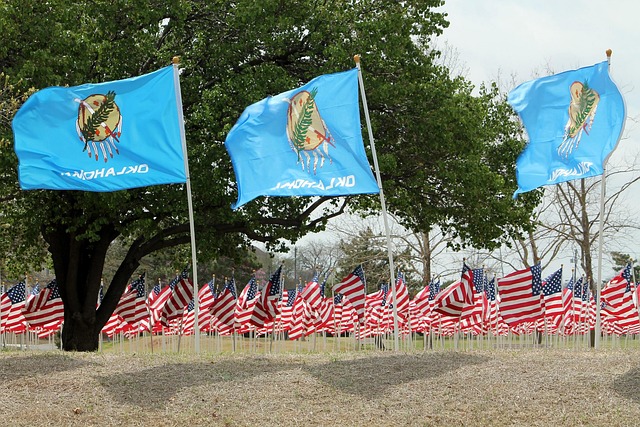
Oklahoma, traditionally associated with energy, agriculture, and aviation, is quietly developing a capital-efficient startup ecosystem. While the state lacks the density and visibility of coastal tech hubs, it offers pragmatic opportunities for IT and IT-enabled services ventures to thrive. This environment aligns naturally with the 1Mby1M Bootstrap First, Raise Money Later philosophy, emphasizing revenue, profitability, and disciplined growth over speculative fundraising or premature scaling.
>>>The Conundrum in Arkansas Startup Accelerator Ecosystem
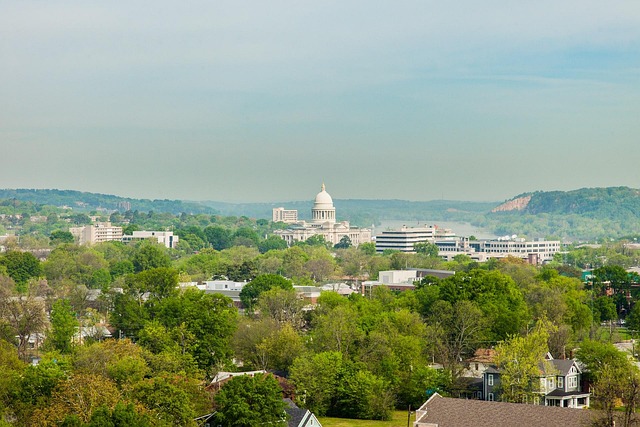
Arkansas, historically associated with agriculture, retail, and corporate headquarters like Walmart, is cultivating a pragmatic, capital-efficient startup ecosystem. The state presents unique opportunities for IT and IT-enabled services ventures to thrive under the 1Mby1M Bootstrap First, Raise Money Later philosophy, emphasizing revenue, profitability, and disciplined growth over premature scaling or venture hype.
>>>Tennessee Startup Accelerator Landscape

Tennessee is a state with a diverse economic base, ranging from music and entertainment in Nashville to manufacturing and logistics in Memphis, and aerospace and tech in Chattanooga and Knoxville. Its dispersed yet active entrepreneurial ecosystem presents unique opportunities for disciplined, capital-efficient startups. However, local venture capital remains limited, and the pressure to grow quickly can create the classic Accelerator Conundrum: solo founders are expected to chase hypergrowth before validating sustainable business models.
>>>Emerging Tech Startup Accelerator Ecosystem in Mississippi

Mississippi is often overlooked in the US startup landscape, yet it offers unique opportunities for disciplined, capital-efficient entrepreneurship. Anchored by Jackson, Oxford, and Hattiesburg, the state has pockets of academic talent, niche industry clusters, and growing interest in technology-driven startups. However, limited venture capital, small local markets, and geographic isolation create the classic challenges of The Accelerator Conundrum—making it an ideal environment for 1Mby1M’s Bootstrap First, Raise Money Later philosophy.
>>>Colors: Curtains in the Wind VIII

I’m publishing this series on LinkedIn called Colors to explore a topic that I care deeply about: the Renaissance Mind. I am just as passionate about entrepreneurship, technology, and business, as I am about art and culture. In this series, I will typically publish a piece of art – one of my paintings – and I request you to spend a minute or two deeply meditating on it. I urge you to watch your feelings, thoughts, reactions to the piece, and write what comes to you, what thoughts it triggers, in the dialog area. Let us see what stimulation this interaction yields. For today – Curtains in the Wind VIII
Curtains in the Wind VIII | Sramana Mitra, 2023 | Watercolor, Ink, Pastel | 12 x 18, On Paper
