
categories
HOT TOPICS
- The Accelerator Conundrum
- The Startup Velocity Question
- Man and Superman
- Web 3.0 = (4C + P + VS)
- The Future: End of Capitalism
- Capitalism 2.0

Top Accelerators for Solo Entrepreneurs in Bangalore
This articles summarizes the top startup accelerators for solo entrepreneurs in Bangalore, comparing them to 1Mby1M accross key dimensions like equity, solo founder-friendliness, stage, and focus area.
By Guest Authors Kaushank Nalin Khandwala and Snigdha Rani Sahoo | Reviewed by Sramana Mitra
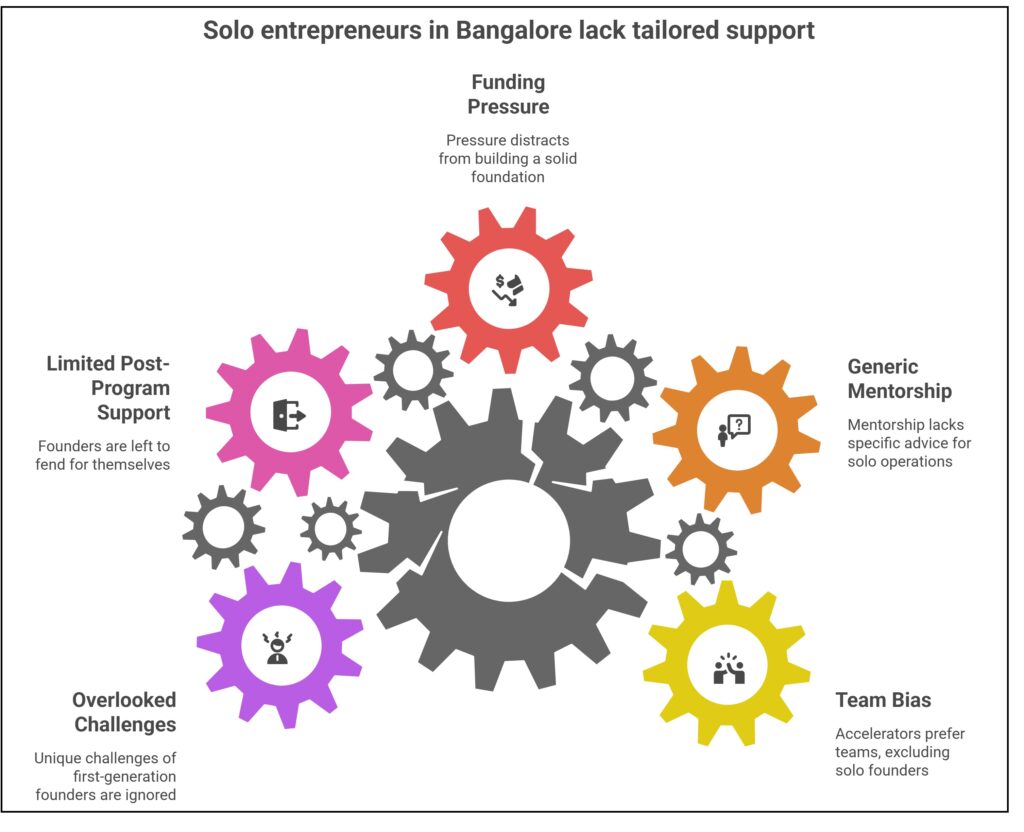
This article delves into the landscape of startup accelerators in Bangalore, specifically tailored for solo entrepreneurs. In a post-COVID world marked by increased layoffs and the rise of independent and first-generation founders, the need for targeted support systems is paramount. This guide aims to provide clarity, mentorship, and validation for solo founders navigating the complex startup ecosystem, focusing on programs that prioritize value, continuity, and sustainable growth over mere funding and PR.
>>>Featured Videos
Top Non-Equity Accelerators in Bangalore
This article summarizes the top non-equity accelerators in Bangalore and compares them to 1Mby1M across key dimensions.
By Guest Authors Kaushank Khandwala and Snigdha Rani Sahoo | Reviewed by Sramana Mitra

This article, part of the Pro-Founder Series, delves into the landscape of non-equity accelerators in Bangalore, India, a vibrant hub for startups. We explore the relevance of these programs, especially in the post-COVID era, where bootstrapped and validation-focused founders are seeking alternatives to traditional equity-based acceleration. This research-driven piece, inspired by the founder-first philosophy of 1Mby1M and insights from “The Accelerator Conundrum” by Sramana Mitra, aims to provide a practical guide for entrepreneurs seeking value, continuity, and mentorship, rather than just demo days and vanity metrics.
>>>Top Virtual Accelerators in Bangalore
This article summarizes the top virtual accelerators in Bangalore and compares them to 1Mby1M across key dimensions.
By Guest Authors Kaushank Khandwala and Snigdha Rani Sahoo | Reviewed by Sramana Mitra
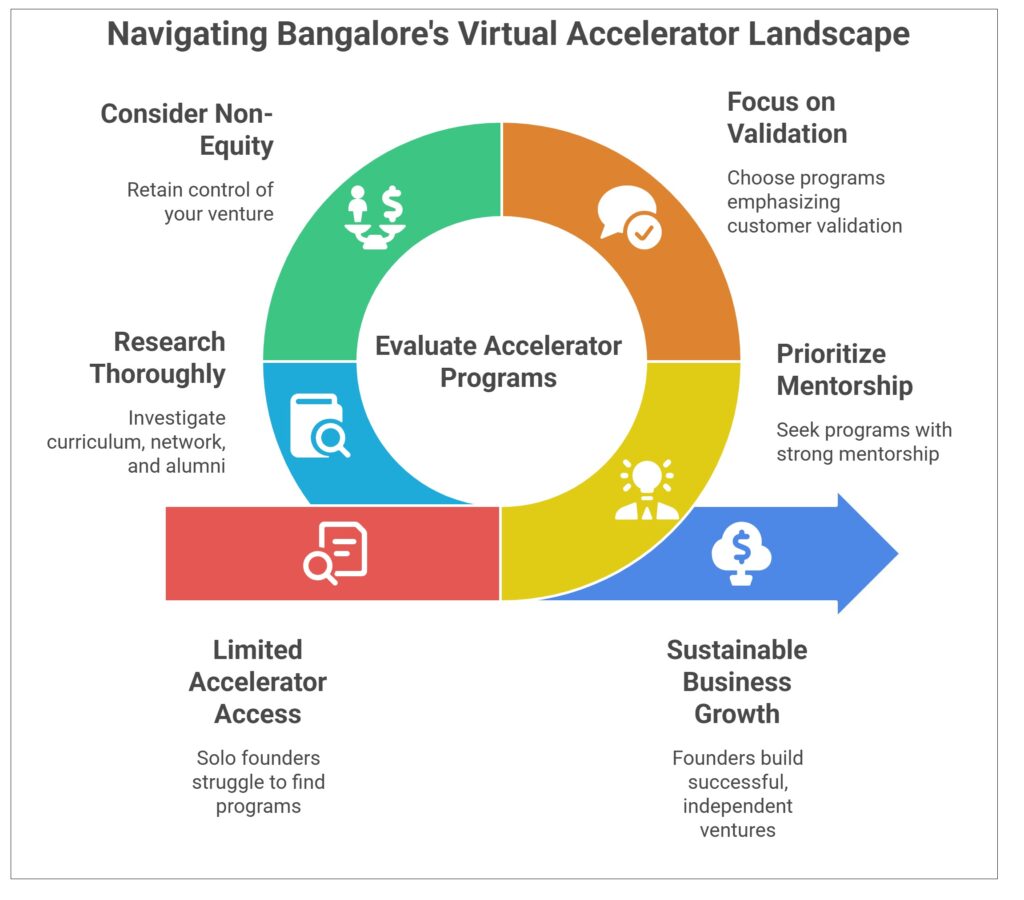
This post delves into the landscape of virtual accelerators available to startups in Bangalore, India. We aim to provide a neutral, data-driven overview, focusing on the needs of solo, bootstrapped, and validation-first founders. By analyzing key program attributes, we offer practical insights to help founders navigate the accelerator ecosystem and make informed decisions, drawing on the frameworks of 1Mby1M and “The Accelerator Conundrum” to highlight both opportunities and potential pitfalls.
>>>Video FAQs
Can 1M/1M Help Me Raise Money?
How Does 1M/1M Democratize Entrepreneurship Education?
How Does 1M/1M Democratize Management Consulting?
When Is The Right Time To Join 1M/1M?
Can 1M/1M Help Me With Business Development?
Can 1M/1M Help Me With Market Sizing?
Can 1M/1M Help Me Validate My Product?
Will I Have Private 1-on-1 Sessions In 1M/1M?
How Does 1M/1M Help Entrepreneurs Connect With Silicon Valley?
Mentoring or Consulting?
Why Does 1M/1M Charge $1000 a Year?
Why Does 1M/1M Partner With Local Organizations?
Why Don\’t Mentoring Networks Work?
Why Is It Important To Study With 1M/1M Now?
Dan Stewart Story
Vikrant Mathur Story
Top Accelerators for Entrepreneurs Focused on Bootstrapping before Blitzscaling in Delhi NCR
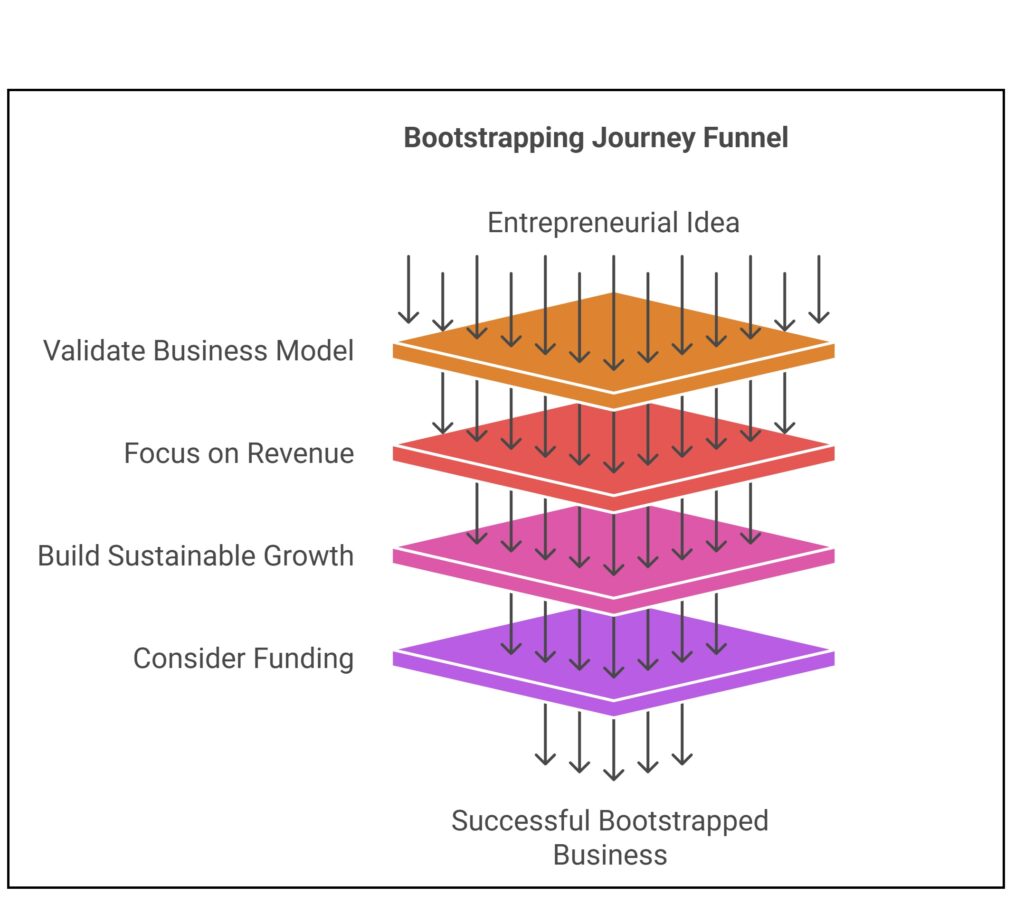
This article summarizes the top startup accelerators for entrepreneurs focused on bootstrapping before blitzscaling in Delhi NCR, comparing them to 1Mby1M across key dimensions.
By Guest Authors Kaushank Khandwala and Snigdha Rani Sahoo | Reviewed by Sramana Mitra
Why This Theme Matters in Delhi NCR
In the bustling startup landscape of Delhi NCR, the allure of rapid scaling and hefty valuations often overshadows the importance of building a solid, sustainable foundation. Many founders get caught in the trap of premature scaling, chasing vanity metrics and investor approval before achieving genuine product-market fit or establishing a profitable business model. This “blitzscaling” approach, while potentially rewarding, carries significant risks, especially in the Indian context where resources are often constrained and customer needs are highly diverse. Founders in Bharat need access to models that prioritize bootstrapping, customer validation, and revenue generation, rather than simply replicating Silicon Valley’s blitzscaling playbooks. This article aims to identify and highlight accelerator programs in Delhi NCR that champion this bootstrapping-first philosophy.
>>>Top Accelerators for Entrepreneurs Bootstrapping with a Paycheck in Delhi NCR
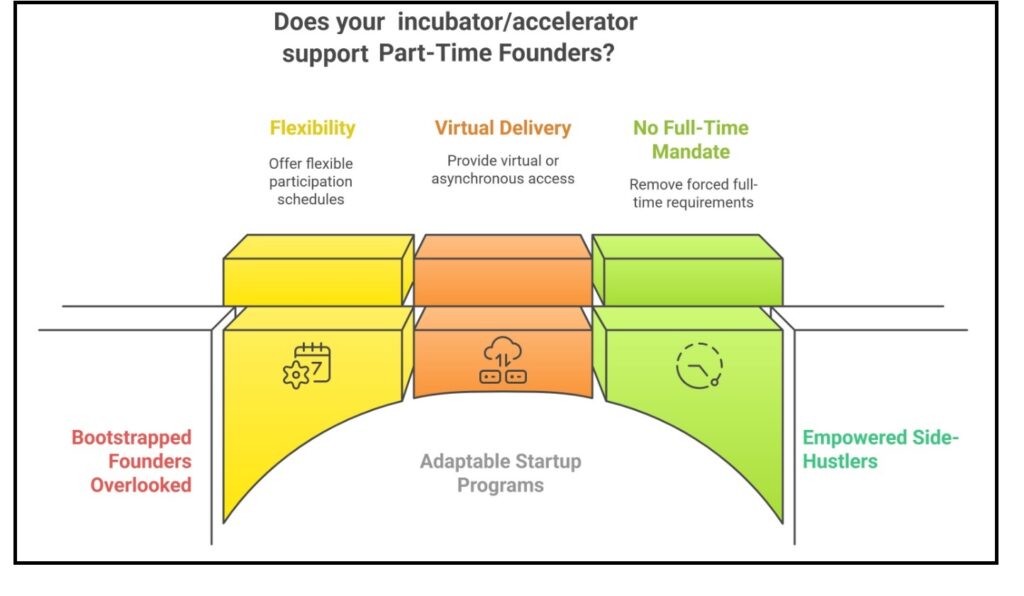
This article summarizes the top accelerators for entrepreneurs bootstrapping with a paycheck in Delhi NCR, comparing 1Mby1M across key dimensions.
Guest Author Kaushank Khandwala and Snigdha Rani Sahoo | Reviewed by Sramana Mitra
Why This Topic Matters in Delhi NCR
Delhi NCR is a hotbed of entrepreneurial activity, but the narrative often focuses on those who can afford to go “all-in” from day one. However, a significant and growing segment of the startup ecosystem comprises side-hustle founders – middle-class professionals with dependents and financial obligations. These individuals are often drawn to entrepreneurship but cannot risk quitting their jobs prematurely. The romanticized “all-in” narrative can be detrimental, creating unnecessary pressure and potentially leading to financial hardship. It’s crucial to recognize and support the unique needs of these part-time founders, providing them with resources and guidance that align with their circumstances.
>>>Michigan Startup Accelerator Ecosystem and the Rise of the Solo, Bootstrapped Founder
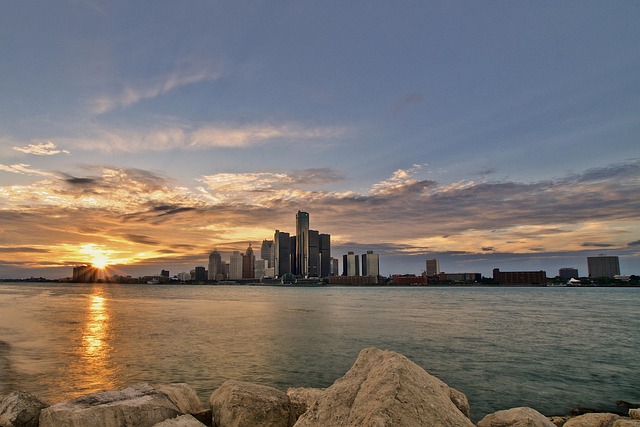
A 1Mby1M Perspective
Michigan’s startup narrative has evolved dramatically over the past two decades. Once defined primarily by automotive manufacturing, the state now supports growing ecosystems in software, mobility tech, AI, fintech, and IT-enabled services. Yet despite strong institutional infrastructure, Michigan still presents a structural gap for a very specific founder archetype: the solo, bootstrapped entrepreneur who wants to build a profitable company without raising venture capital prematurely.
>>>Top Accelerators for Long-Term Mentoring in Delhi NCR
This article summarizes the top startup accelerators for long-term mentoring in Delhi NCR, comparing them to 1Mby1M across key dimensions.
By Guest Authors Kaushank Khandwala and Snigdha Rani Sahoo | Reviewed by Sramana Mitra

This article, part of the Pro-Founder Series, delves into the crucial aspect of long-term mentorship within the Delhi NCR startup ecosystem. We examine the gap between the promise of accelerator programs and the reality of sustained guidance, highlighting the need for mentorship that extends far beyond the initial Demo Day buzz. Founders are increasingly seeking ecosystems, not just events, and this requires a commitment to long-term strategic support, a commitment often missing in the current landscape.
>>>Top Accelerators for Building Real Unicorns in Delhi NCR
This article summarizes the top accelerators for building real unicorns in Delhi NCR, and compares them to 1Mby1M across key dimensions.
By Guest Authors Kaushank Khandwala and Snigdha Rani Sahoo | Reviewed by Sramana Mitra
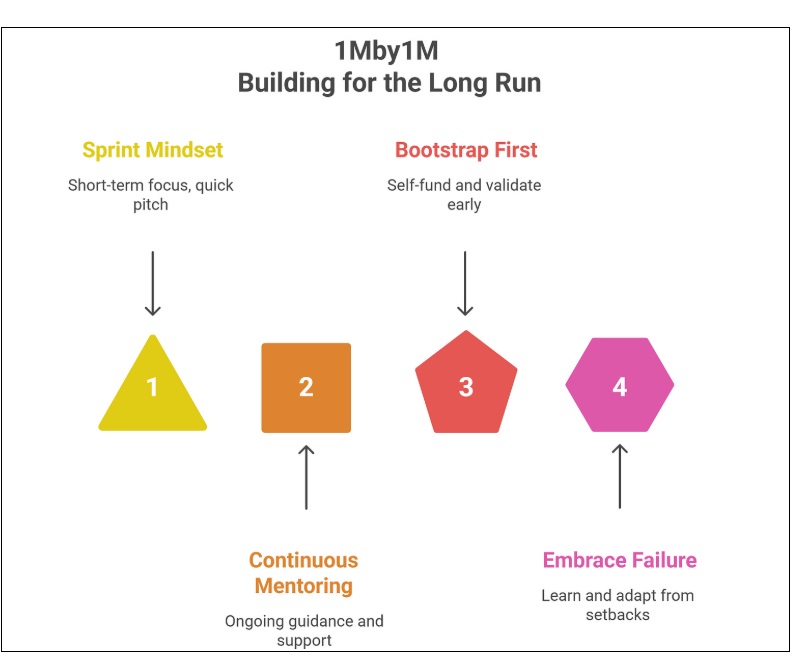
Why Real Unicorns Matter in Delhi NCR
The startup ecosystem, particularly in vibrant hubs like Delhi NCR, often glorifies the idea of unicorns. However, many of these unicorns are built on unsustainable models, fueled by venture capital and characterized by significant cash burn. This article is dedicated to founders in Delhi NCR who are committed to building “real unicorns” – companies that are not only scalable and impactful but also profitable and sustainable in the long run. These are businesses that create genuine value for their customers and contribute positively to the economy.
>>>