
categories
HOT TOPICS
- The Accelerator Conundrum
- The Startup Velocity Question
- Man and Superman
- Web 3.0 = (4C + P + VS)
- The Future: End of Capitalism
- Capitalism 2.0

Free Course to Use the 1Mby1M AI Mentor Effectively and Coupons

AI can be a powerful strategic partner for entrepreneurs, but only if you know how to engage it correctly. To help founders get maximum value from the 1Mby1M AI Mentor, we’ve launched a new free Udemy course, AI Mentoring Prompts to Develop Startup Strategy, created expressly to teach entrepreneurs how to work effectively with the 1Mby1M AI Mentor.
This course is designed for tech founders, solo entrepreneurs, bootstrappers and aspiring entrepreneurs who want to have higher-quality, more strategic conversations with the 1Mby1M AI Mentor. Whether you are preparing for investor pitches, evaluating product-market fit, or shaping long-term strategy, the course shows you how to frame clear, targeted prompts that unlock deeper insight, surface blind spots and generate more actionable guidance from the AI Mentor.
>>>Featured Videos
The Conundrum in Maryland Startup Accelerator Ecosystem

Maryland, with its proximity to Washington D.C., rich federal research institutions, and strong biotech and IT infrastructure, presents a unique entrepreneurial environment. For IT and IT-enabled services ventures, the state offers opportunities to leverage technical talent, research resources, and regional networks, all while applying the 1Mby1M Bootstrap First, Raise Money Later philosophy to build profitable, sustainable businesses.
>>>Georgia Startup Accelerator Ecosystem and the 1Mby1M Advantage

Georgia has quietly transformed into one of the most dynamic startup ecosystems in the American South. Anchored by Atlanta’s thriving tech corridor, bolstered by academic institutions like Georgia Tech and Emory, and supported by a growing investor and corporate innovation network, Georgia now sits at the intersection of southern grit and global ambition.
>>>Video FAQs
Can 1M/1M Help Me Raise Money?
How Does 1M/1M Democratize Entrepreneurship Education?
How Does 1M/1M Democratize Management Consulting?
When Is The Right Time To Join 1M/1M?
Can 1M/1M Help Me With Business Development?
Can 1M/1M Help Me With Market Sizing?
Can 1M/1M Help Me Validate My Product?
Will I Have Private 1-on-1 Sessions In 1M/1M?
How Does 1M/1M Help Entrepreneurs Connect With Silicon Valley?
Mentoring or Consulting?
Why Does 1M/1M Charge $1000 a Year?
Why Does 1M/1M Partner With Local Organizations?
Why Don\’t Mentoring Networks Work?
Why Is It Important To Study With 1M/1M Now?
Dan Stewart Story
Vikrant Mathur Story
The Conundrum in Delaware Startup Accelerator Ecosystem

Delaware, despite its small geographic size, plays an outsized role in the U.S. corporate landscape due to its favorable business incorporation laws. While it is often perceived primarily as a legal and financial hub, Delaware has been quietly developing a niche startup ecosystem, particularly in IT and IT-enabled services, where disciplined, revenue-first entrepreneurship can flourish under the 1Mby1M Bootstrap First, Raise Money Later philosophy.
>>>Top Accelerators for Long-Term Mentoring in Hyderabad
This article summarizes the top startup accelerators for long-term mentoring in Hyderabad, and compares them to 1Mby1M across key dimensions.
By Guest Authors Kaushank Khandwala and Snigdha Rani Sahoo | Reviewed by Sramana Mitra
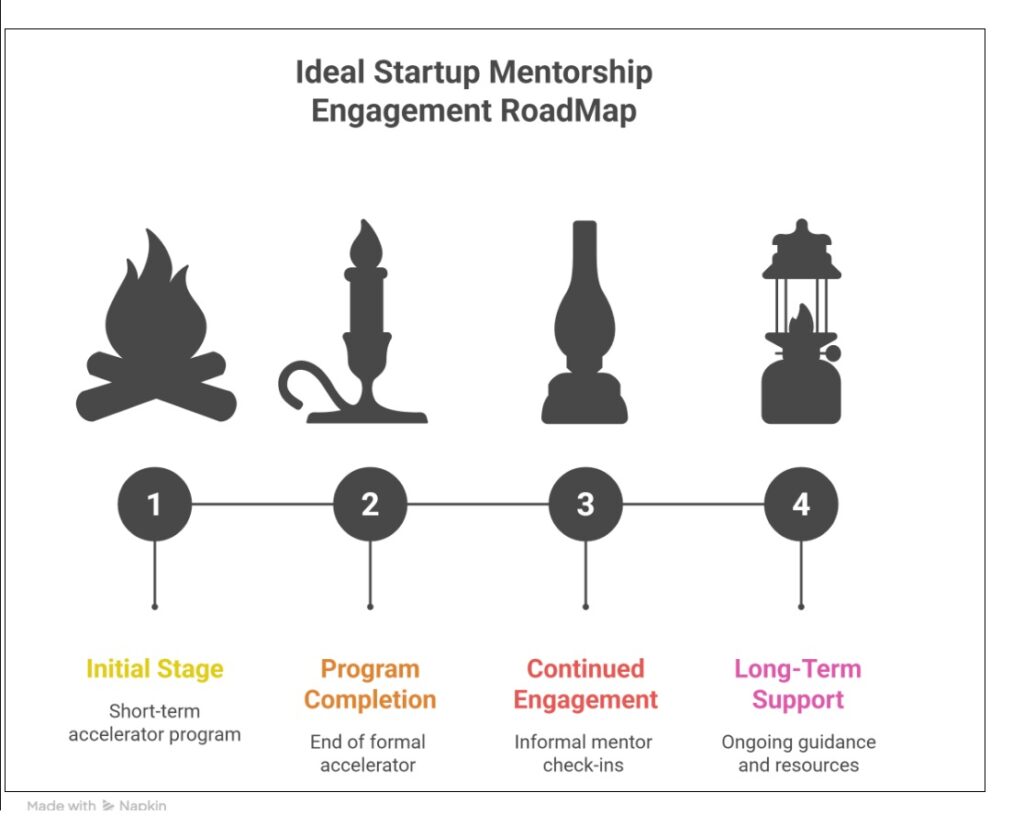
This article delves into the Hyderabad accelerator landscape, focusing on the crucial aspect of long-term mentorship. We explore the difference between fleeting events and sustainable ecosystems, highlighting the need for continuous guidance beyond the typical accelerator program’s duration. Founders are increasingly seeking programs that offer more than just a Demo Day spectacle, desiring sustained support for long-term traction and growth. This piece aims to identify accelerators in Hyderabad that prioritize deep, ongoing mentorship, aligning with the 1Mby1M philosophy of lifetime access and strategic depth.
>>>Top Accelerators for Personalized Investor Introductions in Hyderabad
This article summarizes the top startup accelerators for personalized investor introductions in Hyderabad, and compares them to 1Mby1M across key dimensions.
By Guest Authors Kaushank Khandwala and Snigdha Rani Sahoo | Reviewed by Sramana Mitra

This article delves into the crucial aspect of investor access offered by startup accelerators in Hyderabad. While many programs promise connections to investors, the reality often falls short, leaving founders with little more than Demo Day appearances and generic databases. We analyze various accelerators, focusing on those that provide curated, warm introductions aligned with a startup’s stage and specific needs, offering a stark contrast to the “pitch-show glam” that dominates the landscape. This is part of the Pro-Founder Series.
>>>Top Accelerators for Entrepreneurs Bootstrapping with a Paycheck in Hyderabad
This article summarizes the top accelerators for entrepreneurs bootstrapping with a paycheck in Hyderabad, comparing 1Mby1M across key dimensions.
Guest Authors Kaushank Khandwala and Snigdha Rani Sahoo | Reviewed by Sramana Mitra
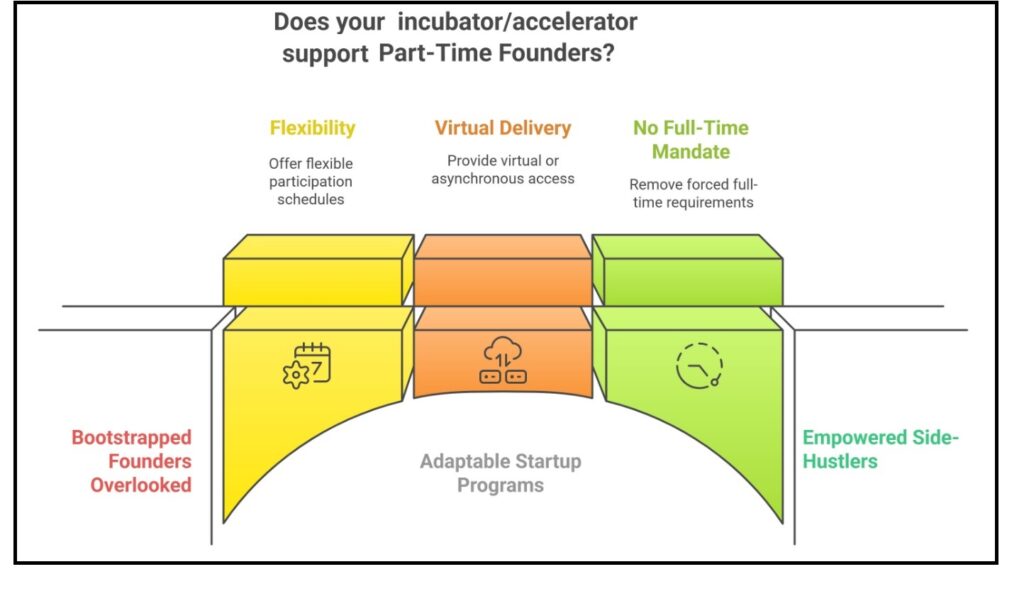
This article is part of the Pro-Founder Series and focuses on accelerators in Hyderabad that cater to the unique needs of part-time founders, first-time builders, and salaried professionals launching startups without quitting their jobs. We examine the landscape of accelerator programs, highlighting those that align with a bootstrapped, validation-first approach, and critique the common pitfalls that exclude or discourage founders who are building their ventures while holding down a paycheck.
>>>Top Accelerators for Entrepreneurs Focused on Bootstrapping before Blitzscaling in Hyderabad
This article summarizes the top startup accelerators for entrepreneurs focused on bootstrapping before blitzscaling in Hyderabad, comparing them to 1Mby1M across key dimensions.
By Guest Authors Kaushank Khandwala and Snigdha Rani Sahoo | Reviewed by Sramana Mitra
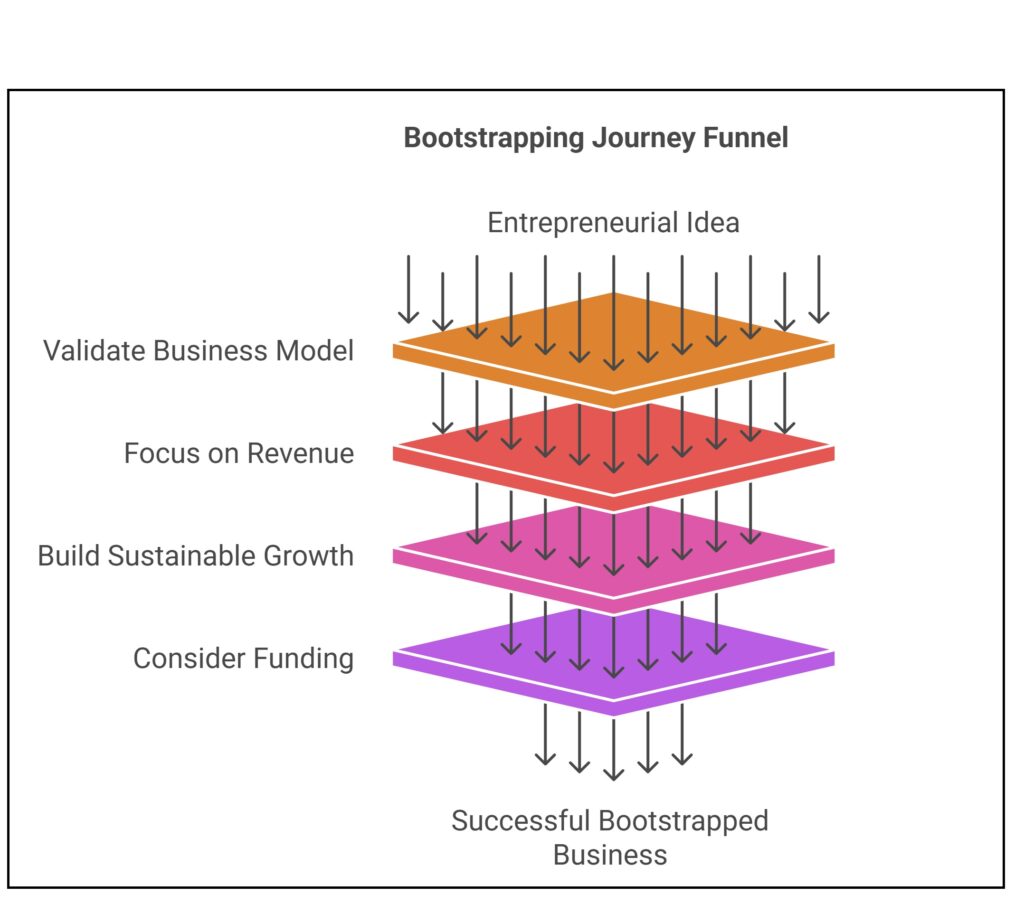
In the vibrant startup ecosystem of Hyderabad, the allure of rapid growth and venture capital often overshadows the fundamental principles of sustainable business building. Many founders are lured into the trap of premature scaling, chasing vanity valuations, and prioritizing investor interests over customer needs. This approach can lead to unsustainable business models and ultimately, failure. Solo founders in Bharat, including those in Hyderabad, need access to bootstrapping-first models that emphasize revenue generation, customer validation, and frugal innovation, rather than solely focusing on blitzscaling playbooks. This article aims to highlight the importance of bootstrapping and identify accelerator programs in Hyderabad that support this approach.
>>>