
categories
HOT TOPICS
- The Accelerator Conundrum
- The Startup Velocity Question
- Platform as a Service
- Man and Superman
- Web 3.0 = (4C + P + VS)
- The Future: End of Capitalism
- Capitalism 2.0

Venture Capital
1Mby1M Virtual Accelerator Investor Forum: With Janam Mehta, Partner of Campus Fund and Venture Investments at JSW Ventures (Part 2)
Sramana Mitra: The other trend that is equally interesting are companies that are being built in India facing the Indian market. The FinTech sector is a really interesting sector. The health tech sector is really interesting. The EdTech is really interesting. They are crowded, but that is bound to happen in a booming market. With time, it will become clear which ones make it.
Of course, there is a unicorn mania going on. There is a lot of excessive funding. I don’t believe that just the ones that are going to get the maximum amount of funding are going to be the ones that are going to win those spaces. They have an advantage which is a capital advantage. They also have a disadvantage of not having the discipline in how to manage cash. We’ll see how all that plays out. Right now, there’s a correction going on. The bottom line is, there is movement.
>>>1Mby1M Virtual Accelerator Investor Forum: With Evan Zimmerman, Chairman of Jovono (Part 2)
Sramana Mitra: What is the geography focus?
Evan Zimmerman: We mostly invest in the US but we actually have done a number of deals outside. The people who invest in the US primarily do so for a few reasons. For some people, it’s because they don’t feel that they can understand the local market. There are also some logistical and legal considerations. We’ve done a number of deals in Israel and UK. You’re seeing a lot more funds going to Latin America, but we haven’t done a deal yet.
>>>1Mby1M Virtual Accelerator Investor Forum: With Janam Mehta, Partner of Campus Fund and Venture Investments at JSW Ventures (Part 1)
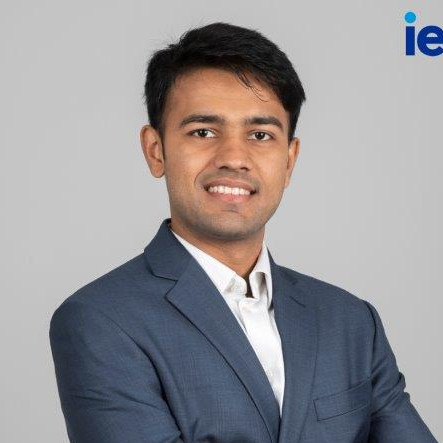
Janam Mehta, Partner at Campus Fund and Venture Investments at JSW Ventures, discusses the progress of the Indian startup ecosystem.
Sramana Mitra: Tell us about a bit of your background as well as what are you up to with the investments.
>>>1Mby1M Virtual Accelerator Investor Forum: With Evan Zimmerman, Chairman of Jovono (Part 1)

Evan Zimmerman, Chairman of Jovono, discusses his fund’s investment philosophy, especially around pre-seed and seed.
Sramana Mitra: Tell us a bit about yourself and Jovono. Let’s get acquainted.
Evan Zimmerman: I started my first company when I was a teenager. It was a consumer product company called Mighty Mug. I was successful and sold millions of units. From there, I went on to start Jovono which is a venture capital firm that invests in paradigm-shifting founders. They’re solving hard problems and building delightful products.
>>>1Mby1M Virtual Accelerator Investor Forum: With Chandrashekar Kupperi, General Partner of Peaceful Progress Fund (Part 4)
Sramana Mitra: What are some examples of really good companies that are focused on that segment?
Chandrashekar Kupperi: There is a company which is into chocolates. They chose tier 3 and tier 4 markets because you have the big companies in tier 1 and tier 2. What this has done is has led to the increased wallet size. Another thing they’ve realized is there are certain pockets with the ability to spend. You can even have product ranges with some premium launches.
>>>1Mby1M Virtual Accelerator Investor Forum: With Chandrashekar Kupperi, General Partner of Peaceful Progress Fund (Part 3)
Sramana Mitra: Do you want to act as a feeder into these humongous rounds? Small funds like yours get diluted heavily. The game that the Tiger’s and Softbank’s are playing is putting in huge amounts of money in the later rounds.
Some of the smaller funds that we have brought in say is it’s not so easy to play that game. You can’t really do pro rata at those levels. Let’s say a large Series C comes in. The small funds take an exit. How are you processing this dynamic of very large funding rounds downstream?
>>>1Mby1M Virtual Accelerator Investor Forum: With Chandrashekar Kupperi, General Partner of Peaceful Progress Fund (Part 2)
Sramana Mitra: Let’s go to a few examples of companies that you’ve invested in within the tech-enabled field.
Chandrashekar Kupperi: The first is an EdTech company. This is a startup that helps students or professionals connect with the right mentors. It all happens via AI. It ensures that any follow-on support is given.
>>>1Mby1M Virtual Accelerator Investor Forum: With Chandrashekar Kupperi, General Partner of Peaceful Progress Fund (Part 1)
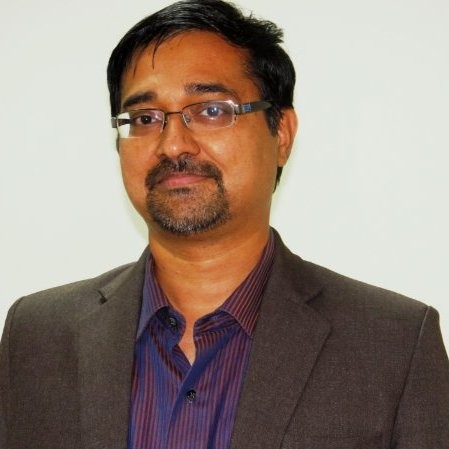
Chandrashekar Kupperi is General Partner at Peaceful Progress Fund, an angel fund in India. We have some very interesting discussions on consumer startups in India, especially the ones targeting lower economic strata consumers.
Sramana Mitra: Tell us a bit about your background as well as what you’re doing with Peaceful Progress Fund.
>>>