
categories
HOT TOPICS
- The Accelerator Conundrum
- The Startup Velocity Question
- Man and Superman
- Web 3.0 = (4C + P + VS)
- The Future: End of Capitalism
- Capitalism 2.0

Top Non-Equity Startup Accelerators in Trivandrum
This articles summarizes the top non-equity startup accelerators in Trivandrum for bootstrapped and solo founders, comparing them to 1Mby1M accross key dimensions like equity, delivery model, stage, and focus area.
By Guest Author Kaushank Nalin Khandwala | Reviewed by Sramana Mitra
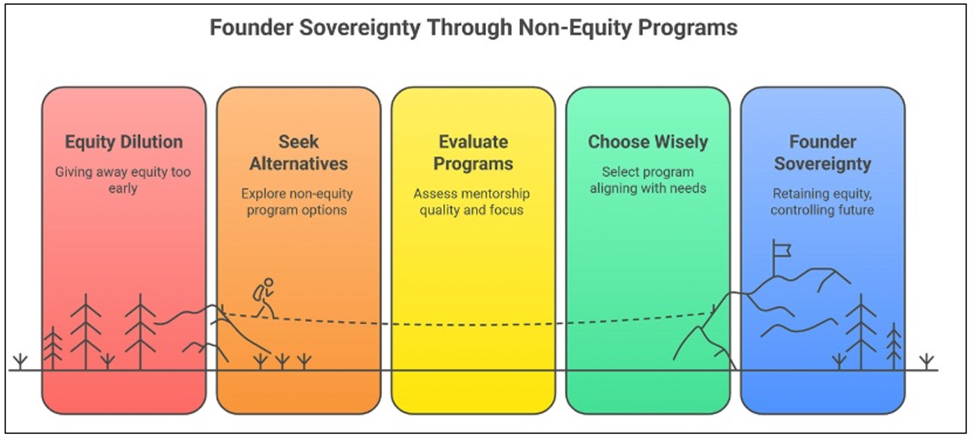
In “The Accelerator Conundrum” series, Sramana Mitra raises a fundamental question:
Are accelerators truly aligned with founder outcomes—or with investor signaling and portfolio optics?
Trivandrum stands out as a government-backed innovation hub, where a large portion of startup support comes without equity dilution. But this creates a different question:
>>>Featured Videos
Cloud Stocks: Palantir Enables Warfare?
Last month Palantir (NYSE: PLTR) announced its fourth quarter earnings that continued to outpace market expectations. The company continues to benefit strongly from its US government contracts.
>>>An Overview of Startup Accelerators in Jaipur
This article is an overview of startup accelerators in Jaipur, highlighting virtual, non-equity, bootstrapping-first, validation-focused, and long-term mentoring programs.
Guest Author Kaushank Nalin Khandwala | Reviewed by Sramana Mitra

This article is an overview of a series of articles summarizing the Startup Accelerator Ecosystem in Jaipur comparing it to 1Mby1M. This Jaipur city series highlights accelerator programs that are particularly relevant for Jaipur-based founders, including virtual accelerators, non-equity programs, and platforms that support bootstrapped and solo entrepreneurs. The focus is on accelerators that emphasize customer validation, revenue-first thinking, and long-term value creation, rather than short-term demo-day outcomes.
Jaipur is one of India’s most active entrepreneurial hubs, with founders building startups across fintech, SaaS, media, marketplaces, logistics, and consumer technology. Entrepreneurs in the city have access to a wide range of accelerator programs—both local and global—that support different stages of the startup journey.
>>>Video FAQs
Can 1M/1M Help Me Raise Money?
How Does 1M/1M Democratize Entrepreneurship Education?
How Does 1M/1M Democratize Management Consulting?
When Is The Right Time To Join 1M/1M?
Can 1M/1M Help Me With Business Development?
Can 1M/1M Help Me With Market Sizing?
Can 1M/1M Help Me Validate My Product?
Will I Have Private 1-on-1 Sessions In 1M/1M?
How Does 1M/1M Help Entrepreneurs Connect With Silicon Valley?
Mentoring or Consulting?
Why Does 1M/1M Charge $1000 a Year?
Why Does 1M/1M Partner With Local Organizations?
Why Don\’t Mentoring Networks Work?
Why Is It Important To Study With 1M/1M Now?
Dan Stewart Story
Vikrant Mathur Story
Cloud Stocks: Amazon Raises Stakes in AI with $200 Billion Investment

The invest in AI frenzy continues with Amazon (NASDAQ: AMZN) announcing $200 billion AI related capital investment this year. Like other tech players, Amazon wants to invest heavily in building infrastructure and computing power for AI.
>>>Top Startup Accelerators Focused on Validation in Jaipur
This article summarizes top startup accelerators focused on validation in Jaipur and compares them with 1Mby1M on key dimensions like validation support.
By Guest Author Kaushank Nalin Khandwala | Reviewed by Sramana Mitra
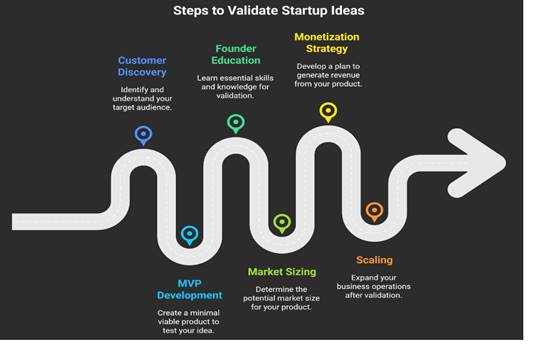
Many startup accelerators emphasize rapid growth, investor pitches, and fundraising milestones. However, for a large number of early-stage entrepreneurs, the most critical phase of building a company is validation — confirming that a real problem exists, identifying paying customers, and refining a viable business model.
>>>Top Startup Accelerators for Long-Term Mentoring in Jaipur
This article summarizes the top startup accelerators for long-term mentoring in Trivandrum and compares them with 1Mby1M across key dimensions.
By Guest Author Kaushank Nalin Khandwala | Reviewed by Sramana Mitra
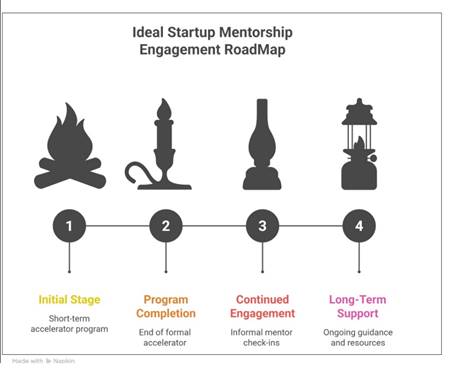
Accelerators are often associated with short, intensive programs lasting three to four months, culminating in demo days and investor pitches. While such programs can provide visibility and early connections, many founders require longer-term mentoring relationships to navigate the complex process of building sustainable companies.
>>>Top Startup Accelerators Offering Personalized Investor Introductions in Jaipur
This article summarizes the top startup accelerators offering personalized investor introductions in Jaipur, compares them to 1Mby1M across key dimensions.
By Guest Author Kaushank Nalin Khandwala | Reviewed by Sramana Mitra

Startup accelerators are often marketed as gateways to funding. Demo days, investor meetings, and pitch events have become defining features of many accelerator programs. Yet an important question remains: how meaningful are these investor introductions for founders?
>>>Top Startup Accelerators for the Marathon, Not the 3-Month Sprint, in Jaipur
This article summarizes top startup accelerators for the marathon in Jaipur and compares them with 1Mby1M.
By Guest Author Kaushank Nalin Khandwala | Reviewed by Sramana Mitra

Startup accelerators are often structured as short, intensive programs lasting around three months, culminating in demo days and investor pitches. While these programs can create momentum, many founders discover that building a sustainable company is closer to a marathon than a sprint.
>>>