
categories
HOT TOPICS
- The Accelerator Conundrum
- The Startup Velocity Question
- Man and Superman
- Web 3.0 = (4C + P + VS)
- The Future: End of Capitalism
- Capitalism 2.0

530th 1Mby1M Entrepreneurship Podcast with Shane Neman, Neman Ventures
Shane Neman is Founder of EZ Texting, JoonBug.com, and Principal at Neman Ventures. Shane has bootstrapped two companies as a solo entrepreneur, found successful exits for both, and is now an investor. Needless to say, he has no bias against solopreneurs.
Podcast: Play in new window | Download
Subscribe: Apple Podcasts | TuneIn | RSS
Featured Videos
Thought Leaders in Internet of Things: Ben Forgan, CEO of Hologram (Part 1)

Ben discusses IoT connectivity and use cases.
Sramana Mitra: Let’s start by introducing our audience to yourself and Hologram.
Ben Forgan: I’m the CEO of Hologram. Hologram is a connectivity startup focused on providing internet access for IoT devices. We talk about wanting to be able to connect any device to any network instantaneously anywhere. That is our vision for the product. In basic terms, you can think of it as phone plans for things that aren’t phones. We have been around for about seven years now. We are just chugging away.
>>>Roundtable Recap: May 13 – A Solo Entrepreneur Case Study
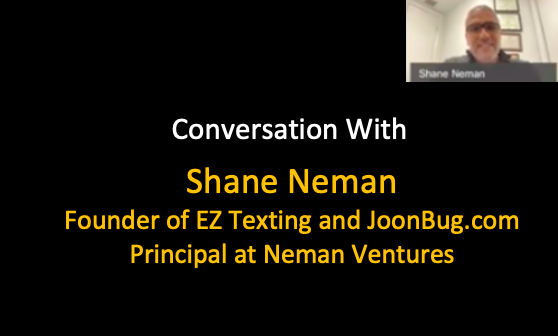
During this week’s roundtable, we had as our guest Shane Neman, Founder of EZ Texting and JoonBug.com, Principal at Neman Ventures. Shane has bootstrapped two companies as a solo entrepreneur, found successful exits for both, and is now an investor. Needless to say, he has no bias against solo entrepreneurs.
You can listen to the recording of this roundtable here:
Video FAQs
Can 1M/1M Help Me Raise Money?
How Does 1M/1M Democratize Entrepreneurship Education?
How Does 1M/1M Democratize Management Consulting?
When Is The Right Time To Join 1M/1M?
Can 1M/1M Help Me With Business Development?
Can 1M/1M Help Me With Market Sizing?
Can 1M/1M Help Me Validate My Product?
Will I Have Private 1-on-1 Sessions In 1M/1M?
How Does 1M/1M Help Entrepreneurs Connect With Silicon Valley?
Mentoring or Consulting?
Why Does 1M/1M Charge $1000 a Year?
Why Does 1M/1M Partner With Local Organizations?
Why Don\’t Mentoring Networks Work?
Why Is It Important To Study With 1M/1M Now?
Dan Stewart Story
Vikrant Mathur Story
Roundtable Recap: May 6 – Deep-dive into SaaS-enabled Marketplaces
During this week’s roundtable, we had as our guest Stefan Batory, Co-founder and CEO of Booksy, a SaaS-enabled marketplace venture.
Koi Reader
As for our entrepreneur pitch today, we had Ashutosh Prasad from Dallas, Texas, pitching Koi Reader, a bootstrapped IoT company for the logistics industry.
Fitness Locater
We then had a conversation with entrepreneurs Jill and Rick Howard, who have recently joined the 1Mby1M Premium program and are also contemplating a SaaS-enabling Marketplace business
BeUniCom
Next up was Ashish Kumar who won a 1Mby1M Premium membership as the winner of the BizChamp Premier League, a virtual business hackathon for student startups. He is now validating an e-commerce venture.
You can listen to the recording of this roundtable here:
1Mby1M Virtual Accelerator Investor Forum: With Sumant Mandal, Co-Founder and Managing Partner at March Capital (Part 1)
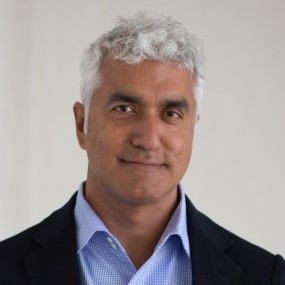
If you have been bootstrapping and think you are ready for investors, you need to learn how investors think. First, please study our free Bootstrapping course and Investor Introductions page. Then start looking for entrepreneur – investor fit. Today I introduce you to Sumant Mandal.
Sumant Mandal, Co-founder and Managing Partner at March Capital, emphasizes the impact of Covid on virtual companies and remote teams and discusses his investment thesis.
Sramana Mitra: Let’s catch up. Let’s also catch our audience up on how you are living the pandemic. What is happening with your fund and portfolio companies? What are you seeing?
>>>1Mby1M Virtual Accelerator Investor Forum: With Cindy Padnos, Founder and Managing Director at Illuminate Ventures 2021 (Part 1)

Cindy Padnos, Founder and Managing Director at Illuminate Ventures, discusses the impact of Covid on the fund’s portfolio, as well as the trends she sees.
Sramana Mitra: Let’s start by welcoming back Cindy Padnos to our show. She is the founder and director of Illuminate Ventures and one of the active female investors in the Silicon Valley Movement. We have a lot more female investors, but she is one of the earlier ones. We had her here before and she has been doing a lot of work in this area for a long time.
>>>Roundtable Recap: April 29 – What to Expect in Investor Due Diligence
During this week’s roundtable, we had as our guest Alok Nandan, Founding General Partner, First Rays Venture Partners. Alok discussed the firm’s investment thesis which is very well defined and focused.
Tariy.at
As for our entrepreneur pitches, up first we had Andres Sigcha from Phoenix, Arizona, pitching Tariy.ai, a B-to-B venture.
YapPolitics
Next, we had Aidan Stephen from Los Angeles, California, pitching YapPolitics, a B-to-C venture.
You can listen to the recording of this roundtable here:
From Solo Entrepreneur to Serial Exits: Shane Neman, CEO of EZ Texting (Part 1)
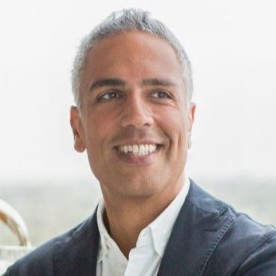
If you haven’t already, please study our free Bootstrapping course and the Investor Introductions page.
Shane started as a solo entrepreneur and built two companies, bootstrapped both, and found successful exits for each.
Read on for more on his journey.
Sramana Mitra: Let’s start at the beginning of your journey. Where are you from? Where were you born and raised? What kind of background did you have?
>>>