
categories
HOT TOPICS
- The Accelerator Conundrum
- The Startup Velocity Question
- Man and Superman
- Web 3.0 = (4C + P + VS)
- The Future: End of Capitalism
- Capitalism 2.0

570th Roundtable for Entrepreneurs Starting NOW: Live Tweeting by @1Mby1M
Today’s 570th FREE online 1Mby1M Roundtable For Entrepreneurs is starting NOW, on Thursday, April 7, at 8 a.m. PDT/11 a.m. EDT/5 p.m. CEST/8:30 p.m. India IST. CLICK HERE to join. PASSWORD: startup All are welcome!
Featured Videos
570th Roundtable for Entrepreneurs Starting in 30 Minutes: Live Tweeting by @1Mby1M
Today’s 570th FREE online 1Mby1M Roundtable for Entrepreneurs is starting in 30 minutes, on Thursday, April 7, at 8 a.m. PDT/11 a.m. EDT/5 p.m. CEST/8:30 p.m. India IST. CLICK HERE to join. PASSWORD: startup All are welcome!
From MIT PhD Student to Machine Learning Entrepreneur: Verta.ai CEO Manasi Vartak (Part 4)
Sramana Mitra: Besides the guy you brought in from Twitter, who else did you bring in as your key team member? How did you find them?
Manasi Vartak: I recruited through normal channels whether it was through Angel List or emailing people. I also started with a small set of contractors overseas. This was after I had some seed money. That gave us a good start. We still work with them.
Sramana Mitra: What kind of functions?
>>>Video FAQs
Can 1M/1M Help Me Raise Money?
How Does 1M/1M Democratize Entrepreneurship Education?
How Does 1M/1M Democratize Management Consulting?
When Is The Right Time To Join 1M/1M?
Can 1M/1M Help Me With Business Development?
Can 1M/1M Help Me With Market Sizing?
Can 1M/1M Help Me Validate My Product?
Will I Have Private 1-on-1 Sessions In 1M/1M?
How Does 1M/1M Help Entrepreneurs Connect With Silicon Valley?
Mentoring or Consulting?
Why Does 1M/1M Charge $1000 a Year?
Why Does 1M/1M Partner With Local Organizations?
Why Don\’t Mentoring Networks Work?
Why Is It Important To Study With 1M/1M Now?
Dan Stewart Story
Vikrant Mathur Story
Best of Bootstrapping: Bootstrapping Using Services from Helsinki, Finland
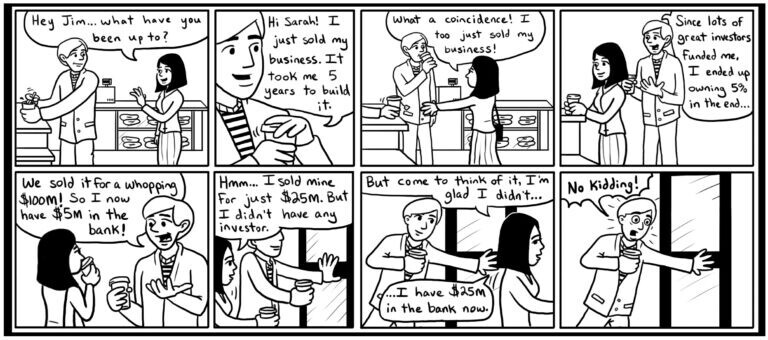
If you haven’t already, please study our Bootstrapping Course and Investor Introductions page.
European companies often follow a methodical, deliberate approach to business building as opposed to mindlessly chasing venture capital. FA Solutions Managing Director Juha Lehtonen has used the principles of bootstrapping using services to build his venture from Finland.
Sramana Mitra: Let’s start at the very beginning of your journey. Where are you from? Where were you born, raised and in what kind of background?
Juha Lehtonen: I’m from Finland. I was born and raised in the countryside about 100 kilometers north from Helsinki. I was born in a family where my father was an entrepreneur. He had set up a construction business with his brother. All my childhood, I saw my father working as an entrepreneur from 7AM to 10PM. As a child, I wasn’t really very handy. I’m not the one who was to follow my father. I was fairly good at school. I was into computers. That’s how I grew up.
1Mby1M Virtual Accelerator Investor Forum: With Gans Subramanian, Managing Partner at Hourglass Venture Partners (Part 1)
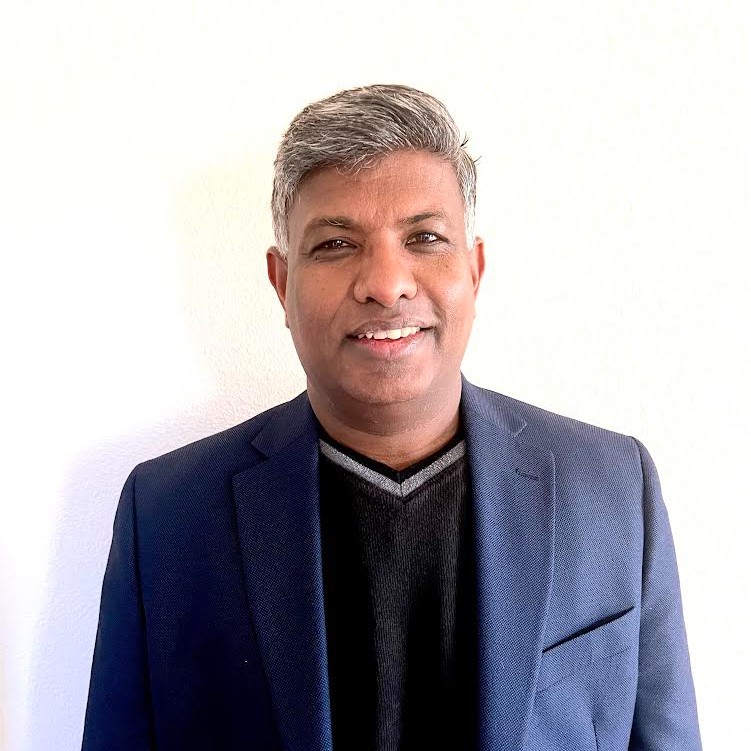
Gans Subramanian, Managing Partner at Hourglass Venture Partners, is a former 1Mby1M Premium member who has now formed his own venture fund.
>>>From MIT PhD Student to Machine Learning Entrepreneur: Verta.ai CEO Manasi Vartak (Part 3)
Sramana Mitra: If you’re an MIT founder, I don’t think gender matters at all.
Manasi Vartak: Based on my experience, I would push back. It’s definitely different. I don’t think it’s terrible. MIT gives you a significant leg up. The other thing that was helping here was that it was an open-source tool that people were using. It wasn’t a question of building, it was more of getting people to pay for it.
Sramana Mitra: You have the product out there as an open-source tool.
>>>Thursday, April 7 – 570th 1Mby1M Mentoring Roundtable for Entrepreneurs

Entrepreneurs are invited to the 570th FREE online 1Mby1M Mentoring Roundtable on Thursday, April 7, 2022, at 8 a.m. PDT/11 a.m. EDT/4 p.m. CET/8:30 p.m. India IST.
If you are a serious entrepreneur, register to “pitch” and sell your business idea. You’ll receive straightforward feedback, advice on next steps, and answers to any of your questions. Others can register to “attend” to watch, learn, and interact through the online chat.
You can learn more here and register to pitch or attend here. Register and you will receive the recording by email, even if you are unable to attend. Please share with any entrepreneurs in your circle who may be interested. All are welcome!
From Developer to 2-Time Successful AI Entrepreneur with Exits: Behamics CEO Valon Xhafa (Part 5)
Sramana Mitra: How long did you work in Europe and when did you start coming into the US market?
Valon Xhafa: I worked in Europe for two years and then we started to gain a lot of traction. We suddenly found out that we were getting traction from US.
Sramana Mitra: How were you finding customers?
>>>