
categories
HOT TOPICS
- The Accelerator Conundrum
- The Startup Velocity Question
- Man and Superman
- Web 3.0 = (4C + P + VS)
- The Future: End of Capitalism
- Capitalism 2.0

1Mby1M Virtual Accelerator Investor Forum: With Chandrashekar Kupperi, General Partner of Peaceful Progress Fund (Part 2)
Sramana Mitra: Let’s go to a few examples of companies that you’ve invested in within the tech-enabled field.
Chandrashekar Kupperi: The first is an EdTech company. This is a startup that helps students or professionals connect with the right mentors. It all happens via AI. It ensures that any follow-on support is given.
>>>Featured Videos
Thursday, June 30 – 581st 1Mby1M Mentoring Roundtable for Entrepreneurs
Entrepreneurs are invited to the 581st FREE online 1Mby1M Mentoring Roundtable on Thursday, June 30, 2022, at 8 a.m. PDT/11 a.m. EDT/5 p.m. CEST/8:30 p.m. India IST.
If you are a serious entrepreneur, register to “pitch” and sell your business idea. You’ll receive straightforward feedback, advice on next steps, and answers to any of your questions. Others can register to “attend” to watch, learn, and interact through the online chat.
You can learn more here and REGISTER TO PITCH OR ATTEND HERE. Register and you will receive the recording by email, even if you are unable to attend. Please share with any entrepreneurs in your circle who may be interested. All are welcome!
Solo Student Entrepreneur to $5M: David Liu, CEO of Deltapath (Part 2)
Sramana Mitra: How did you find these customers?
David Liu: They came to us. They found our website.
Sramana Mitra: Google search?
David Liu: Yes. SIP is the industry standard for VoIP and PBX basically means phone system. I remember if you type SIP PBX, we would come up on the first page.
>>>Video FAQs
Can 1M/1M Help Me Raise Money?
How Does 1M/1M Democratize Entrepreneurship Education?
How Does 1M/1M Democratize Management Consulting?
When Is The Right Time To Join 1M/1M?
Can 1M/1M Help Me With Business Development?
Can 1M/1M Help Me With Market Sizing?
Can 1M/1M Help Me Validate My Product?
Will I Have Private 1-on-1 Sessions In 1M/1M?
How Does 1M/1M Help Entrepreneurs Connect With Silicon Valley?
Mentoring or Consulting?
Why Does 1M/1M Charge $1000 a Year?
Why Does 1M/1M Partner With Local Organizations?
Why Don\’t Mentoring Networks Work?
Why Is It Important To Study With 1M/1M Now?
Dan Stewart Story
Vikrant Mathur Story
Best of Bootstrapping: Bootstrapping a 2-Sided Marketplace to $10M
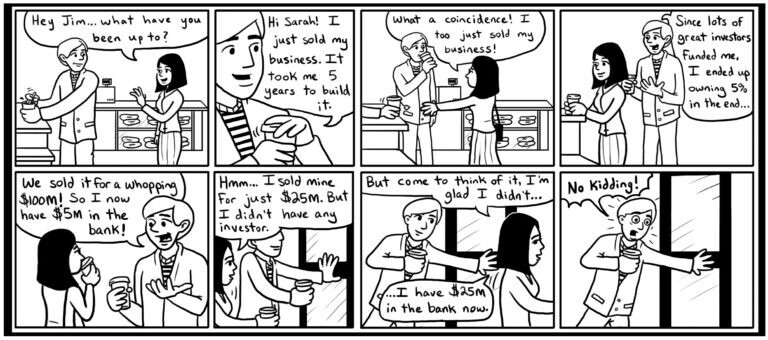
If you haven’t already, please study our Bootstrapping Course and Investor Introductions page.
CEO Sal Akbani had bootstrapped Gateway Classic Cars to over $10 million in revenue when we spoke in 2017. This is a great story of how a two-sided marketplace was masterfully seeded and scaled in a niche market.
Sramana Mitra: Let’s start at the very beginning of your journey. Where are you from? Where were you born, raised, and in what kind of background?
Sal Akbani: We have the same ancestry. My parents were from India. I was born in Pakistan. My mother is from Calcutta. My dad is from Bombay.
1Mby1M Virtual Accelerator Investor Forum: With Chandrashekar Kupperi, General Partner of Peaceful Progress Fund (Part 1)
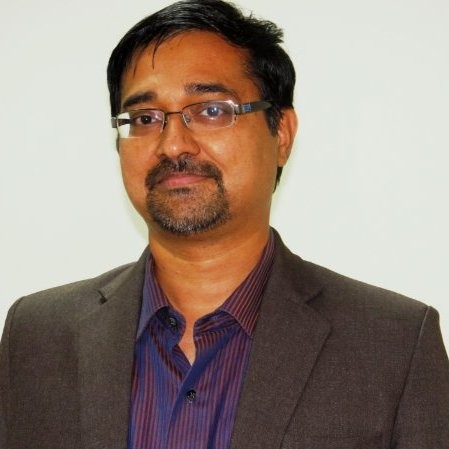
Chandrashekar Kupperi is General Partner at Peaceful Progress Fund, an angel fund in India. We have some very interesting discussions on consumer startups in India, especially the ones targeting lower economic strata consumers.
Sramana Mitra: Tell us a bit about your background as well as what you’re doing with Peaceful Progress Fund.
>>>Solo Student Entrepreneur to $5M: David Liu, CEO of Deltapath (Part 1)
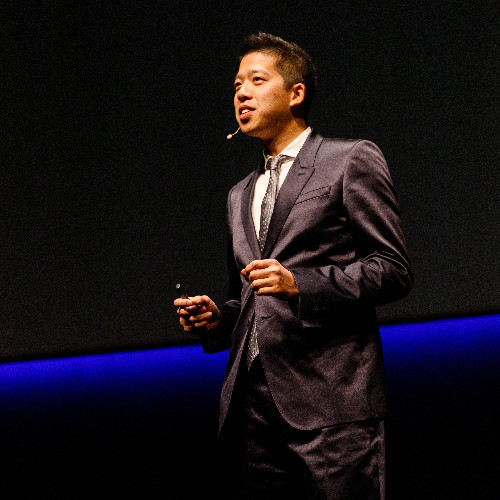
David started Deltapath as a college student. Another case in point is that solo entrepreneurs CAN build sustainable, profitable businesses.
Sramana Mitra: Let’s start at the very beginning of your journey. Where are you from? Where were you born, raised, and in what kind of background?
David Liu: I was born in San Jose, California. I had a really interesting childhood. My parents moved overseas to Hong Kong as my dad had a career opportunity. The whole family moved when I was still in elementary. I was thrown into a completely different world. I didn’t really speak Chinese. I cannot read or write Chinese.
>>>Catching Up On Readings: Ransomware Attacks on Schools and Colleges
This report by Paul Biscoff on CompariTech analyzes the impact of ransomware attacks on schools and colleges, which cost the sector $3.56 billion in2021. For this week’s posts, click on the paragraph links.
>>>June 30 – 581st 1Mby1M Mentoring Roundtable for Entrepreneurs
Entrepreneurs are invited to the 581st FREE online 1Mby1M Mentoring Roundtable on Thursday, June 30, 2022, at 8 a.m. PDT/11 a.m. EDT/5 p.m. CEST/8:30 p.m. India IST.
If you are a serious entrepreneur, register to “pitch” and sell your business idea. You’ll receive straightforward feedback, advice on next steps, and answers to any of your questions. Others can register to “attend” to watch, learn, and interact through the online chat.
You can learn more here and REGISTER TO PITCH OR ATTEND HERE. Register and you will receive the recording by email, even if you are unable to attend. Please share with any entrepreneurs in your circle who may be interested. All are welcome!
