
categories
HOT TOPICS
- The Accelerator Conundrum
- The Startup Velocity Question
- Man and Superman
- Web 3.0 = (4C + P + VS)
- The Future: End of Capitalism
- Capitalism 2.0

Building a High-Impact EdTech Venture from Alabama: QuantHub CEO Josh Jones (Part 3)
Sramana Mitra: Were you using third party software for these projects? What was the lay of the land in terms of tools and technologies for doing this work at that time?
>>>Featured Videos
AI Unicorns: Canva Expands to Website Builder Market

According to a recent report, the global computer graphics market is projected to grow at 9% CAGR to reach $35.1 billion by 2030. Australia-based Canva is a big player in the industry that has seen strong growth in the past few years.
>>>Building a High-Impact EdTech Venture from Alabama: QuantHub CEO Josh Jones (Part 2)
Sramana Mitra: Okay, so we’re doing an Entrepreneur Journey story. I need a journey. So give me timelines. When did you do what and what led to what and so on. So, you were trying to do this business and your Alabama college education was from what year to what year? Seven years, you said.
Josh Jones: I was at the University of Alabama from 1998 until 2005.
>>>Video FAQs
Can 1M/1M Help Me Raise Money?
How Does 1M/1M Democratize Entrepreneurship Education?
How Does 1M/1M Democratize Management Consulting?
When Is The Right Time To Join 1M/1M?
Can 1M/1M Help Me With Business Development?
Can 1M/1M Help Me With Market Sizing?
Can 1M/1M Help Me Validate My Product?
Will I Have Private 1-on-1 Sessions In 1M/1M?
How Does 1M/1M Help Entrepreneurs Connect With Silicon Valley?
Mentoring or Consulting?
Why Does 1M/1M Charge $1000 a Year?
Why Does 1M/1M Partner With Local Organizations?
Why Don\’t Mentoring Networks Work?
Why Is It Important To Study With 1M/1M Now?
Dan Stewart Story
Vikrant Mathur Story
Building a High-Impact EdTech Venture from Alabama: QuantHub CEO Josh Jones (Part 1)
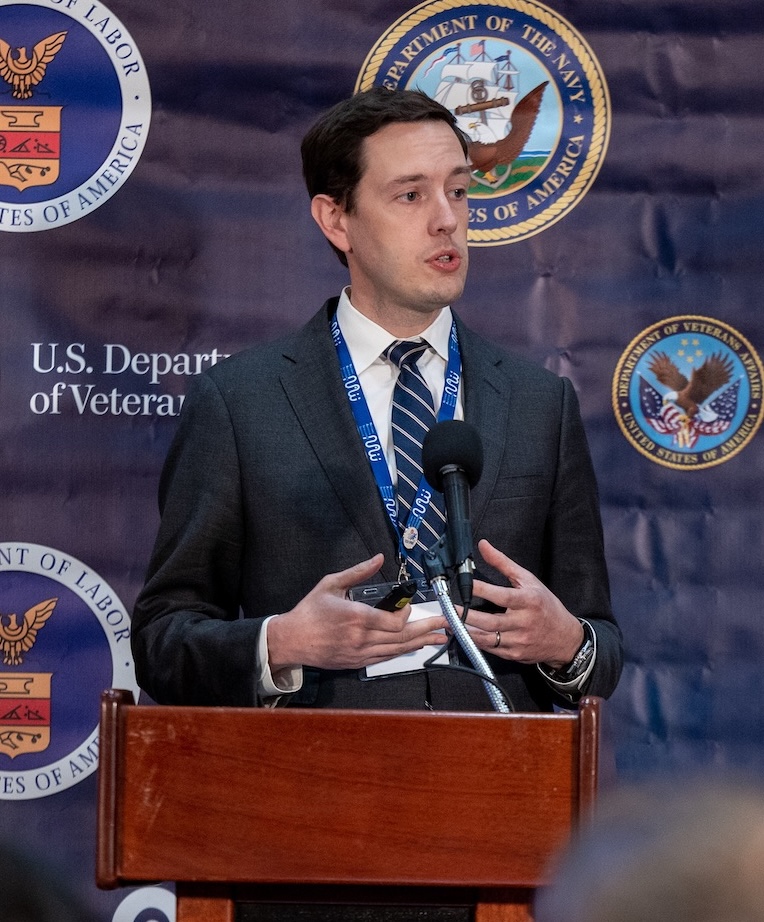
Josh is building a Data Science training company from Alabama. It’s a very interesting model, going deep into high school level skill development in what the market needs today.
Sramana Mitra: Hi, Josh. It’s great to have you. Let’s start at the very beginning of your journey. Where are you from? Where were you born, raised? What kind of background?
>>>1Mby1M Virtual Accelerator Investor Forum: With Julien Pham, 3CC Third Culture Capital (Part 7)
Sramana Mitra: You must have seen in the media how we’ve advocated very, very seriously bootstrapped startups. As a forum, we have legitimized bootstrapped startups. So today bootstrap startups take a lot of pride. Ten years ago, the bootstrapped startups used to apologize for being bootstrapped startups. Today, they don’t.
>>>1Mby1M Virtual Accelerator Investor Forum: With Julien Pham, 3CC Third Culture Capital (Part 6)
Sramana Mitra: I’m asking a simpler question. Are these all B to B companies – businesses selling to hospitals or insurance companies or pharmaceutical companies?
Julien Pham: Oh, we do a little bit of everything. We have a few B to C, B to B, or B to B to C companies because end user oftentimes is the patient. If you remember, one of our important screening criteria of the quintuple aim is, how does it improve outcomes for patients? So we want to make sure that it somehow touches patients.
>>>July 18 – 646th 1Mby1M Mentoring Roundtable for Entrepreneurs

Entrepreneurs are invited to the 646th FREE online 1Mby1M Mentoring Roundtable on Thursday, July 18, 2024, at 8 a.m. PDT / 11 a.m. EDT / 5 p.m. CEST / 8:30 p.m. India IST.
If you are a serious entrepreneur, register to “pitch” and sell your business idea. You’ll receive straightforward feedback, advice on next steps, and answers to any of your questions. Others can register to “attend” to watch, learn, and interact through the online chat.
You can learn more here and REGISTER TO PITCH OR ATTEND HERE. Register and you will receive the recording by email, even if you are unable to attend. Please share with any entrepreneurs in your circle who may be interested. All are welcome!
645th 1Mby1M Entrepreneurship Podcast with Ashmeet Sidana, Engineering Capital
Ashmeet Sidana, Chief Engineer at Engineering Capital, talks about his AI investment thesis. It’s a wonderful discussion that not only entrepreneurs should listen to, but investors should also listen in to calibrate their own investment thesis.
Podcast: Play in new window | Download
Subscribe: Apple Podcasts | TuneIn | RSS
