
categories
HOT TOPICS
- The Accelerator Conundrum
- The Startup Velocity Question
- Platform as a Service
- Man and Superman
- Web 3.0 = (4C + P + VS)
- The Future: End of Capitalism
- Capitalism 2.0

Entrepreneur Interviews
Bootstrapping to $10M+ from North Carolina: Carl Ryden, CEO of PrecisionLender (Part 3)
Sramana Mitra: What were you trying to build?
Carl Ryden: I wanted to build software that helped manage configurations of home electronics. You can drag them on and it would tell you the best way to hook up your home stereo. It was called hookitupright.com. I built the application and put a lot of time and energy into it. We moved to Atlanta. I disassembled our things. I got a Master’s degree in Electrical Engineering from MIT and I can’t get this thing to work with remotes.
What I realized was it was terribly lonely – building something by yourself. I have a friend named Ken Garcia. I met him when I >>>
Capital Efficient Entrepreneurship: Voices.com CEO David Ciccarelli (Part 6)
Sramana Mitra: What year did you do this transaction?
David Ciccarelli: That was 2007 as well. You can see these key moments in time. We figured out the two-sided marketplace. We’ve got revenue coming in from two sides. We took a leap of faith to be able to rebrand and relaunch the company. That was a huge step forward. Looking back, I agree that was the definitive moment. It did change the trajectory of the company.
If it was a reporter journalist doing research on the industry, they’re googling around. They look at three websites to see who sounds the authoritative source. Voices.com sounds like we’ve always been there. We’ve had a number of inbound inquiries >>>
Bootstrapping to $10M+ from North Carolina: Carl Ryden, CEO of PrecisionLender (Part 2)
Carl Ryden: We did the Thinkpad 350, 425, 701 and all of that. It was great fun. It was one of the best teams I had ever worked on. While I was there, IBM shutdown the PC company and moved it to Raleigh. They moved all the notebook development to Yamato Labs in Japan, and we were shifted to desktop PCs. About half of our team ended up leaving IBM.
My second-line manager had left and convinced me to join him at a six-person startup company. I was employee number six. We were >>>
Capital Efficient Entrepreneurship: Voices.com CEO David Ciccarelli (Part 5)
Sramana Mitra: Of the thousand, what was the split between buyers and sellers?
David Ciccarelli: Pretty close to 50/50. That has been our intention right from the get-go back from that partnership agreement. We knew that several marketplaces fail because they focus on one side of the business and neglect the other. We need to consider the needs and desires right down to features and communication plans. That’s been the split even today.
It’s a little bit more on the buy side because we’ve discovered that if the clients are coming, the talent will follow. The talent will >>>
Bootstrapping to $10M+ from North Carolina: Carl Ryden, CEO of PrecisionLender (Part 1)
If you haven’t already, please study our Bootstrapping Course and Investor Introductions page.
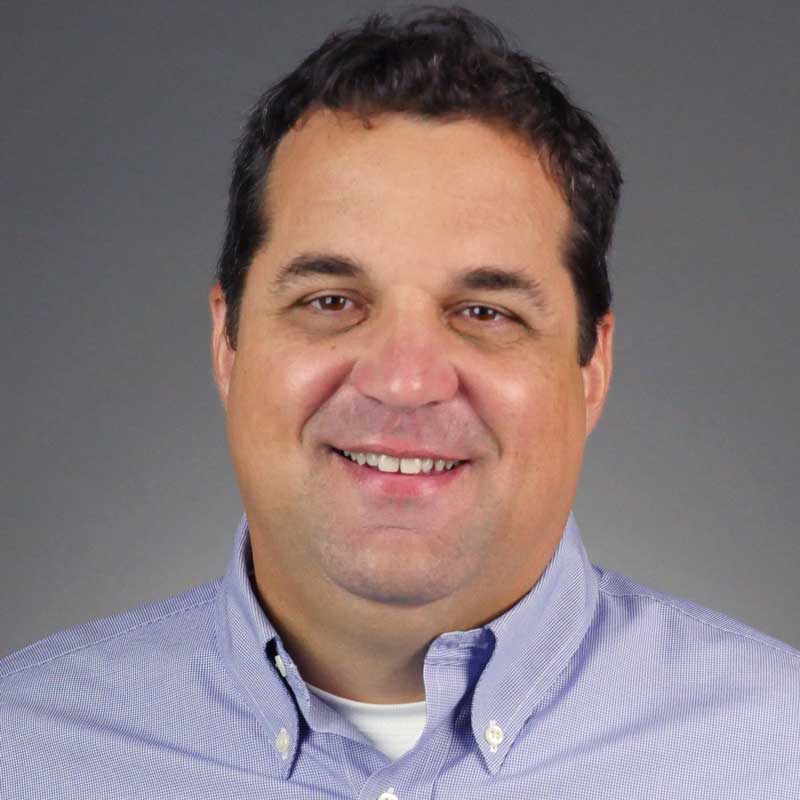
Carl and his co-founders have bootstrapped Precision Lender to over $10M from North Carolina. It’s a superb story, including how the company has formulated an AI agent Andi.
Sramana Mitra: Let’s start at the very beginning of your personal journey. Where are you from? Where were you born, raised, and in what kind of background?
Carl Ryden: I was born in North Carolina. I grew up in eastern North Carolina in a little town called Goldsboro. Folks don’t >>>
Capital Efficient Entrepreneurship: Voices.com CEO David Ciccarelli (Part 4)
Sramana Mitra: Can you help me understand, timeline-wise, when you managed to get this two-sided marketplace figured out? By the way, this two-sided marketplace going through credit cards and escrow is a very popular trend today. In your evolution, you came to this conclusion organically. When was that in the history of your entrepreneurial journey?
David Ciccarelli: It was 2007. The company incorporated in 2005. This transactional platform, which we broadly call marketplace fees, came about in 2007. We had a bit of a bumpy start because, obviously, we had to figure some things out. It came into >>>
Capital Efficient Entrepreneurship: Voices.com CEO David Ciccarelli (Part 3)
Sramana Mitra: While you were going through this evolution, did you still have the recording studio running?
David Ciccarelli: We began a working relationship. We quickly grew quite fond of each other. Stephanie likes to say that’s when it got to be romantic. Through that experience, we recognized that we couldn’t exactly have garage bands coming to a studio with Stephanie putting a baby to sleep in the back room.
It made a lot of sense for us to pivot to a website and to just do the work ourselves. All the other recording equipment, we actually sold off. We used the funds from that equipment to hiring a web developer on a freelance basis to further enhance the website >>>
Capital Efficient Entrepreneurship: Voices.com CEO David Ciccarelli (Part 2)
Sramana Mitra: It was basically a recording studio business model, right?
David Ciccarelli: At the very outset, yes. This is where the story gets a little bit more interesting. When I opened the studio, I got my name in the local newspaper. What I didn’t realize was that my wife was a classically-trained singer. She’d sing at weddings, funerals, and special events. She was looking to get a demo CD done of her voice.
Her mom, being quite the savvy marketer, saw this newspaper article and cut it out and left it on her bed for her to read, >>>
