
categories
HOT TOPICS
- The Accelerator Conundrum
- The Startup Velocity Question
- Platform as a Service
- Man and Superman
- Web 3.0 = (4C + P + VS)
- The Future: End of Capitalism
- Capitalism 2.0

Entrepreneurship Psychology
Featured Videos
Scaling an Energy Management Venture: Martin Manniche, CEO of Greenwave Systems (Part 3)
Sramana Mitra: What year does this bring us up to?
Martin Manniche: 2005. Then the first new thing for me was that I was no more working for myself. I was joining a big company. I worked for Cisco Consumers Group where I eventually became the CTO. That was an interesting journey – coming in as a Senior Director and working your way up through the organization to become the CTO. I had no knowledge of networking.
Normally Cisco likes to see their CTOs have an MBA or a doctorate degree. I was an aberration, but as I said to the executive team, I have a lot of MBA experience of building companies for many years. I felt I’ve done my MBA many times. I was with Cisco for four and a half years. Cisco had a tremendous >>>
Building a FinTech Company in Brazil: Sergio Furio, CEO of BankFacil (Part 4)
Sergio Furio: We actually ended up doing exactly what we were seeing at that point, but there were too many question marks. We raised money from a couple of seed funds – one from Brazil and another from the Czech Republic. That was 25% of the round. Another 50% was from a set of 8 to 10 financial services executives. These were actually people who I had met during those 18 months.
I have been sitting with them and telling them our dream and where we were heading. They invested in the team that they were seeing. They liked the idea. They liked the market, but they thought that our ability to execute was reasonable. Another 25% was from my friends. They wanted to get into a company and support me. >>>
Scaling an Energy Management Venture: Martin Manniche, CEO of Greenwave Systems (Part 2)
Martin Manniche: In a very short period of time, I figured out that I really liked understanding the technology and the software. I picked it off fairly quickly. When I was out delivering these products, every time I would sell them something. I started, together with my brother, a component distribution company for distributing memory, hard drives, and monitors.
My brother ran his distribution company, but when his customers needed printers or other equipments, my organization could supply that. We grew fairly well. From that company, we transitioned. Multimedia was just starting. There was a company called Creative Labs that owns that market. As we know the PC market, I thought of building a multimedia kit where we give the retailers their own brand. We thought that the >>>
Building a FinTech Company in Brazil: Sergio Furio, CEO of BankFacil (Part 3)
Sramana Mitra: While you were experimenting with lead generation and doing it on a shoestring experimentation mode, what kind of revenue level did you reach with that? Was that something that you used to bootstrap the new idea?
Sergio Furio: The reason why we were doing lead generation at that point was that it was cheaper. When it comes to the unit economics, the fact that the leads were not converting enough for the financial institutions meant that the revenues you were getting were very low. We were in a cost-per-acquisiton model.
The cost of acquiring that lead was pretty much the same. The revenue model didn’t make sense. You were spending the same in marketing. There was no >>>
Scaling an Energy Management Venture: Martin Manniche, CEO of Greenwave Systems (Part 1)
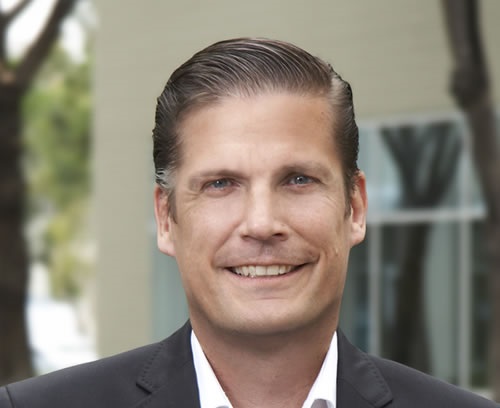
Martin is a serial entrepreneur with nine startups under his belt. This story traces his journey from Copenhagen to California with a focus on his latest venture Greenwave that has already scaled to over $50 million in revenue.
Sramana Mitra: Let’s start at the very beginning of your journey. Where are you from? Where were you born, raised, and in what kind of background?
Martin Manniche: I was born in Copenhagen, Denmark, and I moved to the US 11 years ago. I’ve been leading companies as a CEO. I’ve also been >>>
Building a FinTech Company in Brazil: Sergio Furio, CEO of BankFacil (Part 2)
Sramana Mitra: You were finding people online who were looking for loans and connecting them to financial institutions.
Sergio Furio: At that point, it was even broader. We were looking for people looking for financial services in general. We were offering insurance, credit cards, and credit. We were capturing some basic information and doing some pre-qualification, and then sending those customers to financial institutions. The beauty of it is it was relatively inexpensive. It was about creating good content and having a good user interface. From an investment perspective, I didn’t need a ton of money.
The bad news happened a year after that. I realized that the model didn’t make sense. The reason was that the unit economics of lead generation in Latin America >>>
Building a FinTech Company in Brazil: Sergio Furio, CEO of BankFacil (Part 1)
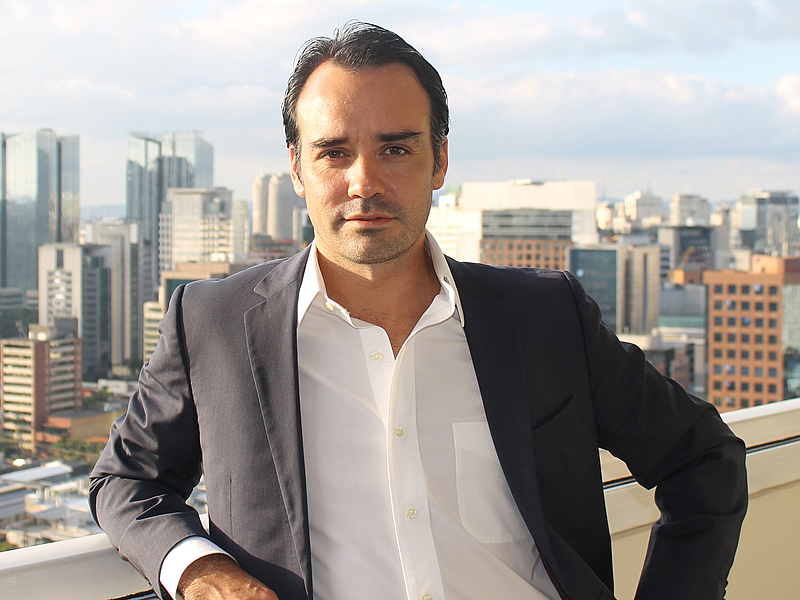
Companies are starting to scale in Latin America. In this story, we bring you a FinTech company’s journey from its bootstrapped beginnings to validation, venture financing, and scaling.
Sramana Mitra: Let’s start at the very beginning of your story. Where are you from? Where were you born, raised, and in what kind of background?
Sergio Furio: I’m Spanish. I graduated in 2000 in Business Administration. I spent five years in Deutsche Bank doing investment banking.
Sramana Mitra: In Spain? >>>
Bootstrapping Using Services from Russia: Ruslan Fazlyev, CEO of Ecwid (Part 6)
Sramana Mitra: What did you price the Ecwid product at?
Ruslan Fazlyev: The model back then was one free plan and one paid plan at $70. The pricing model is a bit different now.
Sramana Mitra: $70 a month?
Ruslan Fazlyev: Yes, it’s different now. Now we have premium offerings. There are paid plans at $15, $35, and $99 a month. We also monetize it through Ecwid payments. If you have Ecwid stores, we also enable our customers now with bundled payments. >>>
