
categories
HOT TOPICS
- The Accelerator Conundrum
- The Startup Velocity Question
- Platform as a Service
- Man and Superman
- Web 3.0 = (4C + P + VS)
- The Future: End of Capitalism
- Capitalism 2.0

Entrepreneurship Psychology
Scaling with Virality to 9 Million Users: Postman CEO Abhinav Asthana (Part 4)
Abhinav Asthana: Postman is a complete platform for API development. You can collaborate with hundreds of people on the Postman platform. All of that happened through this continuous learning and shipping process.
Along the way, we have also looked at how to design our pricing models to be very much in line with the value that our customers get. We just announced new plans for a product.
>>>Scaling with Virality to 9 Million Users: Postman CEO Abhinav Asthana (Part 3)
Sramana Mitra: Did you make any moves on the monetization of this half a million users?
Abhinav Asthana: Not really. We used to have an in-app purchase. It used to be for $10 at that time. We eventually made it free. We started the company formally at the end of 2014. We were just monetizing a fraction of the user base. It was just an experiment to see if people would pay for something.
>>>Scaling with Virality to 9 Million Users: Postman CEO Abhinav Asthana (Part 2)
Sramana Mitra: From a product strategy point of view, what did you start building to address that? In an open source mode, what were the pieces that you were putting out there?
Abhinav Asthana: We were an open source extension, but mostly, we were seen as a free GUI product back then. Now our philosophy is more of a mix of SaaS model along with the open source components that power the platform. It’s evolved over time.
>>>Scaling with Virality to 9 Million Users: Postman CEO Abhinav Asthana (Part 1)
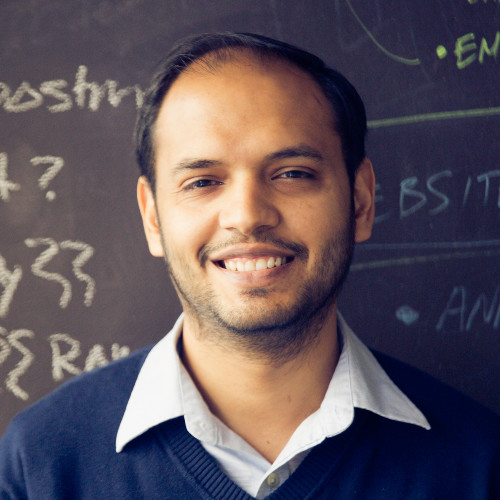
If you haven’t already, please study our Bootstrapping Course and Investor Introductions page.
Postman has found tremendous adoption among developers through word of mouth. Read on to learn more.
Sramana Mitra: Let’s start at the very beginning of your journey. Where are you from? Where were you born, raised, and in what kind of background?
>>>Unicorn in the Making: Datrium CTO Sazzala Reddy (Part 4)
Sramana Mitra: Who was your first paying customer?
Sazzala Reddy: I’m not sure if it was Siemens. We had about 30 beta customers.
Sramana Mitra: What happens next in the journey?
>>>Unicorn in the Making: Datrium CTO Sazzala Reddy (Part 3)
Sramana Mitra: The primary problem that you’re addressing is disaster recovery.
Sazzala Reddy: That is the number one use case we found for our platform.
Sramana Mitra: How did you settle into this problem domain? What led to this being the chosen problem to go solve with your founding team of five?
>>>Unicorn in the Making: Datrium CTO Sazzala Reddy (Part 2)
Sramana Mitra: How long did you work at Cohera?
Sazzala Reddy: I was there for a year or so. Then I started looking around. I had a friend who happened to be in a networking company called Cosine Communications. It was a slightly bigger company. Then the market crashed.
>>>Unicorn in the Making: Datrium CTO Sazzala Reddy (Part 1)
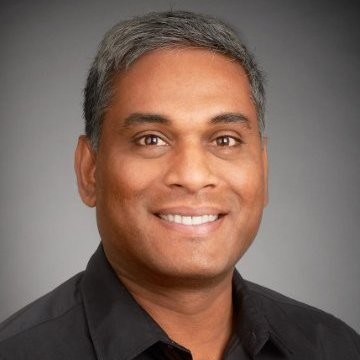
If you haven’t already, please study our Bootstrapping Course and Investor Introductions page.
Datrium is executing very well in the cloud-based disaster recovery space. Read on for the company’s journey so far.
Sramana Mitra: Let’s start at the very beginning of your journey. Where are you from? Where were you born, raised, and in what kind of background?
>>>