
categories
HOT TOPICS
- The Accelerator Conundrum
- The Startup Velocity Question
- Platform as a Service
- Man and Superman
- Web 3.0 = (4C + P + VS)
- The Future: End of Capitalism
- Capitalism 2.0

Bootstrapping
What is the Best Bootstrapping Tactic for B-to-B Startups?

What is the best bootstrapping tactic for B-to-B startups?
Solve an acute customer pain.
Get paid an advance to do so.
Watch this inspiring 1 minute 22 seconds video and learn more:
Entrepreneur Couple Bootstrapping to $10M from Colorado: AdCellerant Co-Founders Brock Berry and Shelby Carlson (Part 6)
Sramana Mitra: I can totally see that. The follow-on question from there though is that the wounds of the media industry are very deep. Their monetization problems are very deep. Their existential crisis is very deep. To what extent do you view that issue as a threat to your long-term sustenance?
Brock Berry: It’s an interesting question. We are continually diversifying our business. Today, we work with radio stations, TV stations, newspapers, and some small agencies. Beyond that, we work with companies that can be labeled as non-traditional. These are media channels that are not easy to define but they work with local business owners. We have, at least, the group of five. >>>
Entrepreneur Couple Bootstrapping to $10M from Colorado: AdCellerant Co-Founders Brock Berry and Shelby Carlson (Part 5)
Sramana Mitra: This relationship came along early in your evolution and that basically financed your bootstrapping.
Brock Berry: It did. That and a few other similarly large relationships. Because we had some wind underneath our wings, we didn’t have another sweat equity deal with anyone, but we did have very good partners that helped us with our business.
Sramana Mitra: With the same model?
Brock Berry: That’s correct. Our distribution model is kind of like a channel sales strategy >>>
Entrepreneur Couple Bootstrapping to $10M from Colorado: AdCellerant Co-Founders Brock Berry and Shelby Carlson (Part 4)
Sramana Mitra: Could you throw some light on what kind of revenue sharing you were doing? It sounds like that is the core of your business model.
Brock Berry: For the services part of what we do, the media company takes 70 cents out of every dollar they sell. That’s the revenue share so to speak. If you think about our business model from a manufacturing perspective, we’re more of a distributor in that relationship. These folks that we work with are more like retail locations. >>>
Entrepreneur Couple Bootstrapping to $10M from Colorado: AdCellerant Co-Founders Brock Berry and Shelby Carlson (Part 3)
Sramana Mitra: How much of what you are saying you do is done manually versus in software?
Brock Berry: The recommendation part of the software is completely automated via the technology software platform. The trafficking of all the campaigns that are sold is also automated right from the proposal to the ad-serving tools including the input into an order management system to keep track of the history and background changes to the campaign.
Entrepreneur Couple Bootstrapping to $10M from Colorado: AdCellerant Co-Founders Brock Berry and Shelby Carlson (Part 2)
Sramana Mitra: What was that business doing that allowed it to grow that fast?
Brock Berry: That’s exactly why we started AdCellerant. The market was really ready for that type of traction and we were bringing these highly-sophisticated marketing strategies to local business owners. We were doing that through the media companies that we worked with, which had thousands of sales people.
Because of the massive sales force and the fact that we are able to leverage that sales force for free, we >>>
Entrepreneur Couple Bootstrapping to $10M from Colorado: AdCellerant Co-Founders Brock Berry and Shelby Carlson (Part 1)
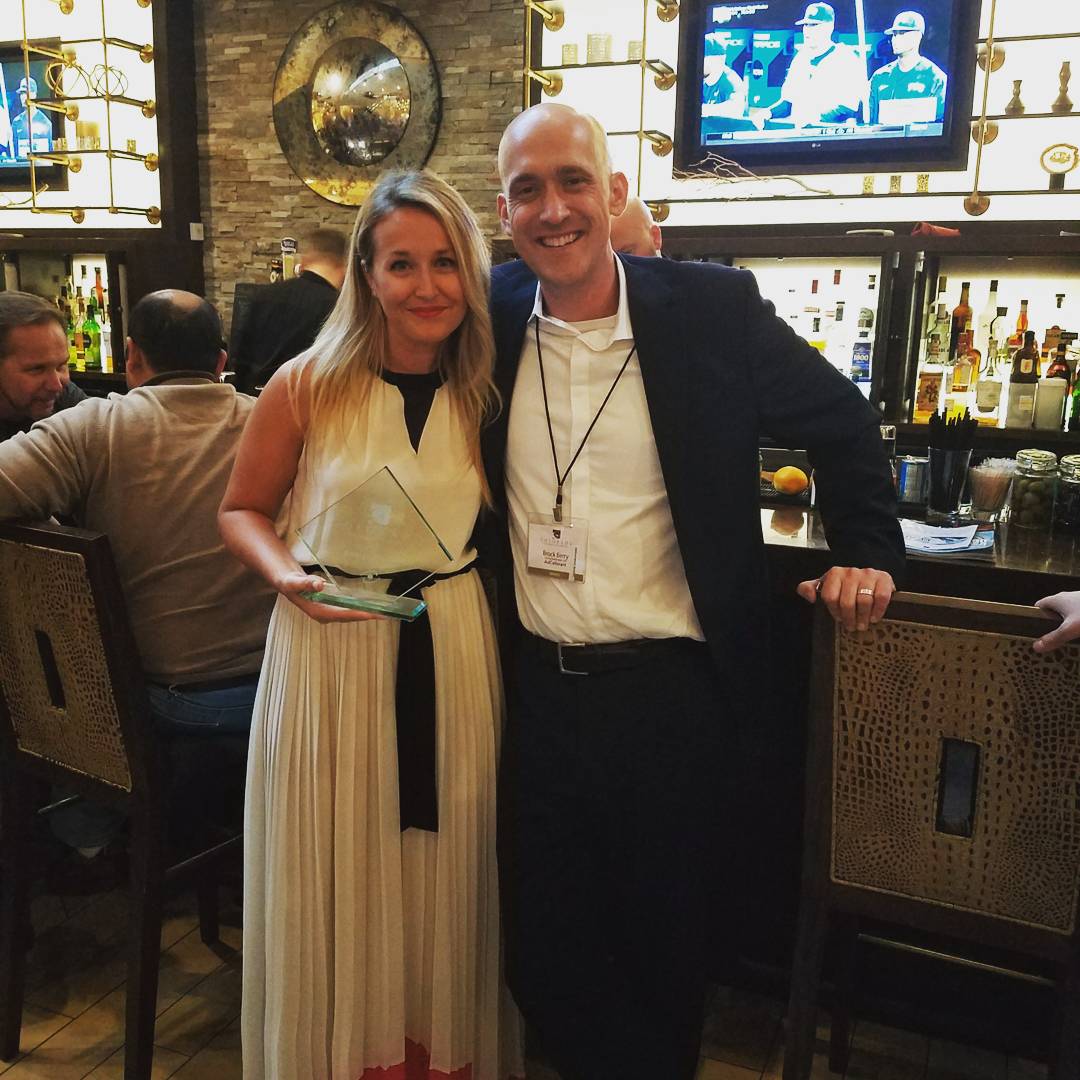
If you haven’t already, please study our Bootstrapping Course and Investor Introductions page.
Love and startups go hand in hand for Brock and Shelby who are helping media companies generate seven-figure revenue streams.
Sramana Mitra: Whoever wants to start, let’s start at the very beginning of your personal journey. Where are you from? Where were you born, raised, and in what kind of background?
Brock Berry: Thanks for having us. I’m the Founder and CEO of AdCellerant. I’m from Indiana >>>
10 Founders and VCs Discuss Building Capital-Efficient Startups in Podcasts

Entrepreneurs starting out with little or no financing, as most do, will find inspiration and sound advice from each of the following founders and venture capitalists discussing how building a capital efficient business can pay off in this series of 30-minute podcast interviews.
Ricky Joshi, Saatva – As a Co-founder at Saatva, Ricky shares the story of growing his company from 0 to over $150 million in seven years. This is pretty much venture-scale growth. The best part of the story is that the company has raised no VC money at all. Wonderful conversation about a capital-efficient, deeply disciplined company.
>>>
