
categories
HOT TOPICS
- The Accelerator Conundrum
- The Startup Velocity Question
- Man and Superman
- Web 3.0 = (4C + P + VS)
- The Future: End of Capitalism
- Capitalism 2.0

1Mby1M Virtual Accelerator Investor Forum: With Andrus Oks, Founding Partner of Tera Ventures (Part 1)
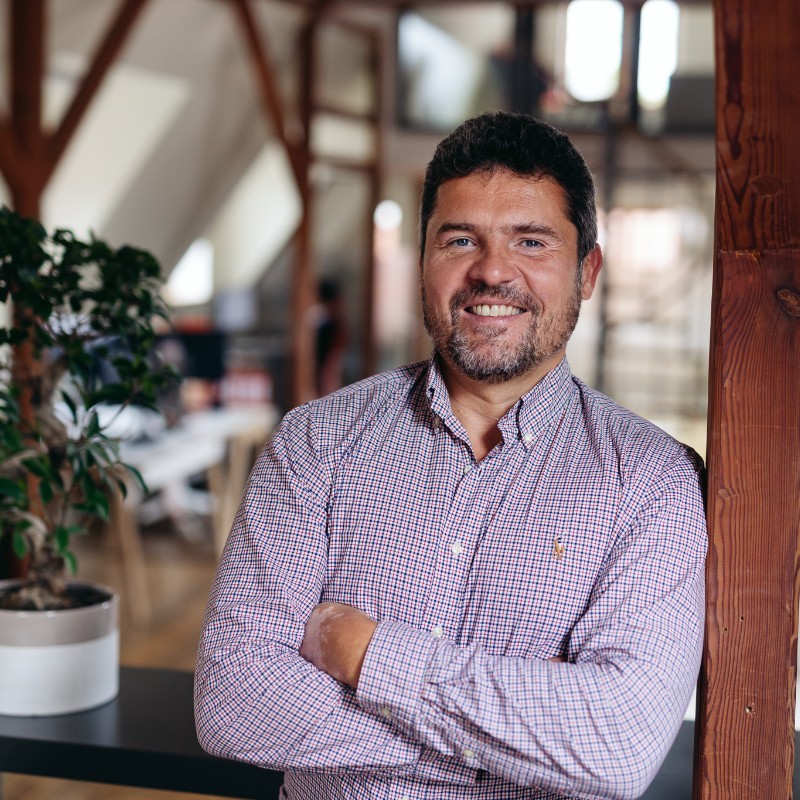
Andrus Oks is Founding Partner at Tera Ventures, based in Estonia. We have a great discussion on entrepreneurship in the Baltic and Scandinavian countries in particular.
Sramana Mitra: Let’s start by introducing our audience to yourself as well as Tera Ventures.
Andrus Oks: I’m one of the founding partners of Tera Ventures. Tera is an Estonian-based seed fund. We currently invest from our €45 million second fund. We are halfway through. We have done 15 deals. We are doing another 15. We support our portfolio companies throughout the rounds. We like to be early. We’re often the first investors.
>>>Featured Videos
Thought Leaders in Artificial Intelligence: Florian Eggenschwiler, Chief Product Officer of Xovis (Part 4)
Sramana Mitra: How many partners do you have?
Florian Eggenschwiler: About 200 plus of various sizes.
Sramana Mitra: Is it more of the smaller ones?
Florian Eggenschwiler: I would say there is a slight skew towards the smaller companies. They tend to be locally focused and are quite flexible to react to local requirements.
>>>Catching Up On Readings: Big Tech’s Talent Bonanza
This feature by Christopher Mims on The Wall Street Journal discusses how the tech crash could be a talent bonanza among the Big Tech. For this week’s posts, click on the paragraph links.
>>>Video FAQs
Can 1M/1M Help Me Raise Money?
How Does 1M/1M Democratize Entrepreneurship Education?
How Does 1M/1M Democratize Management Consulting?
When Is The Right Time To Join 1M/1M?
Can 1M/1M Help Me With Business Development?
Can 1M/1M Help Me With Market Sizing?
Can 1M/1M Help Me Validate My Product?
Will I Have Private 1-on-1 Sessions In 1M/1M?
How Does 1M/1M Help Entrepreneurs Connect With Silicon Valley?
Mentoring or Consulting?
Why Does 1M/1M Charge $1000 a Year?
Why Does 1M/1M Partner With Local Organizations?
Why Don\’t Mentoring Networks Work?
Why Is It Important To Study With 1M/1M Now?
Dan Stewart Story
Vikrant Mathur Story
Thought Leaders in Artificial Intelligence: Florian Eggenschwiler, Chief Product Officer of Xovis (Part 3)
Sramana Mitra: Is there an online-offline data overlay as well? You’re not trying to map that customer to a real customer in retail to be able to market to that person?
Florian Eggenschwiler: When you’re online, you don’t tend to be anonymous. In our basic setup, you’re an anonymous dot with attributes like gender.
Sramana Mitra: In retail, you do have the opportunity to make it non-anonymous. You can correlate POS with behavior. You can market to that person using data.
>>>576th Roundtable Recording on May 26, 2022
In case you missed it, you can listen to the recording of this roundtable here:

Thought Leaders in Artificial Intelligence: Florian Eggenschwiler, Chief Product Officer of Xovis (Part 2)
Sramana Mitra: Who are the buyers?
Florian Eggenschwiler: It’s usually the airports. There are a number of stakeholders involved that get access to the data. It’s usually the airport that we work with directly. There are also the landlords. They’re the ones that install hardware into the ceiling. They usually tend to be open with this information with government agencies, security checkpoint provider, airline, or ground handling personnel. It could also be the regulator.
>>>Best of Bootstrapping: How Ownership Matters
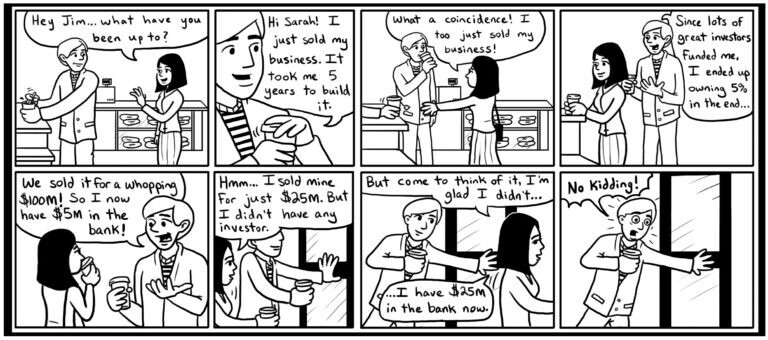
If you haven’t already, please study our Bootstrapping Course and Investor Introductions page.
For those of you rushing to raise venture capital with a deck of slides or a minimum viable product, let me offer you a challenge: How can you get to a $20 million pre-money valuation in Series A, raise $5 million, and keep control of 80% of the equity?
That’s what Christian Chabot, founder of Tableau Software, can teach you from his real-life experience. Chabot, needless to say, did so by bootstrapping the early stages of his company, validating the customer need, building a great product in the domain of analytics and visualization, and generating serious revenue and OEM partnerships before going out to raise any venture financing at all.
Roundtable Recap: May 26 – Concept Financing is a Highly Improbable Event
During this week’s roundtable, we covered how unlikely concept financing is, especially for first time entrepreneurs.
Kula Konnection
Up first we had Chandan Bilagunda from Bangalore, India, pitch Kula Konnection, a concept-stage venture that he wants to fund.
The Buyers and Sellers Club
Next we had Federico Amaya from Helena, Montana, pitch The Buyers and Sellers Club, a real estate business.
You can listen to the recording of this roundtable here:
