
categories
HOT TOPICS
- The Accelerator Conundrum
- The Startup Velocity Question
- Platform as a Service
- Man and Superman
- Web 3.0 = (4C + P + VS)
- The Future: End of Capitalism
- Capitalism 2.0

Funding for a Business
1Mby1M Virtual Accelerator Investor Forum: With Vincent Diallo of Interlace Ventures (Part 2)
Sramana Mitra: Let’s double-click down on stage. How do you define pre-seed and how do you define seed? Where are you comfortable? Do you need a proof of concept? What do you need? Do you need paying customers? What do you need to feel comfortable to write a check?
Vincent Diallo: I already invested on a PowerPoint presentation so I don’t need much in terms of advancement of the project. That’s the position of any pre-seed investor at that stage. I think a meaningful vision on a significant market is an excellent thing – always a good element.
>>>1Mby1M Virtual Accelerator Investor Forum: With Vincent Diallo of Interlace Ventures (Part 1)
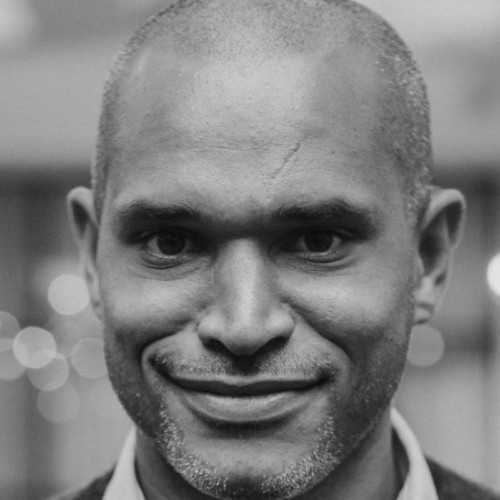
Responding to a popular request, we are now sharing transcripts of our investor podcast interviews in this new series. The following interview with Vincent Diallo was recorded in June 2020.
Vincent Diallo is Managing Partner at Interlace Ventures, a fund focused on retail tech.
>>>1Mby1M Virtual Accelerator Investor Forum: With Christian Czernich of Round2 Capital Partners (Part 2)
Sramana Mitra: It’s like a debt that is paid back as part of revenue share with some multiple of the funding amount.
Christian Czernich: Yes. Then the financing ends once the cap is reached. If there is an exit before that, that’s good. Then we normally exit the business as well. If there is no exit, we just have the revenue share until we reach the cap. This offers a lot more flexibility for the entrepreneur. We don’t force them to sell or pursue a specific path.
>>>1Mby1M Virtual Accelerator Investor Forum: With Christian Czernich of Round2 Capital Partners (Part 1)
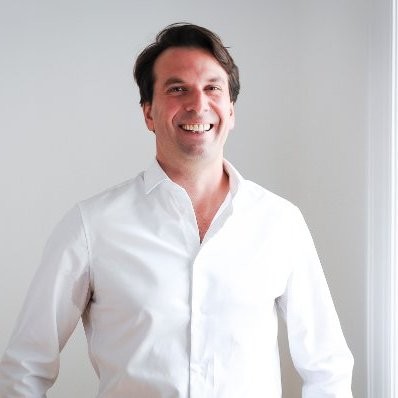
Responding to a popular request, we are now sharing transcripts of our investor podcast interviews in this new series. The following interview with Christian Czernich was recorded in May 2020.
Christian Czernich is Founder and CEO at Round2 Capital Partners, a firm that is experimenting with an alternative financing model.
>>>1Mby1M Virtual Accelerator Investor Forum: With Tony Olivito of Comeback Capital (Part 3)
Sramana Mitra: Our philosophy is Bootstrap First and Raise Money Later – or not at all. Even if it’s bootstrapping with a small amount of capital and you can get to an early exit, that is considered a perfectly fine outcome. Can you talk about a couple of examples from your portfolio that represents the kinds of companies you like to invest in?
Tony Olivito: Generally if you look at the industries, it makes sense that they’re in the Midwest. There’s logistics and FinTech in the Midwest.
>>>1Mby1M Virtual Accelerator Investor Forum: With Tony Olivito of Comeback Capital (Part 2)
Sramana Mitra: Let’s talk about geography. You talked about this bus tour being the catalyst to founding this firm. Talk about what is your philosophy on location.
Tony Olivito: For us, it’s the Midwest. We started the firm because we saw an opportunity due to lack of capital in the Midwest, specifically in areas outside of big cities. There’s a lot of capital in Chicago.
>>>1Mby1M Virtual Accelerator Investor Forum: With Tony Olivito of Comeback Capital (Part 1)
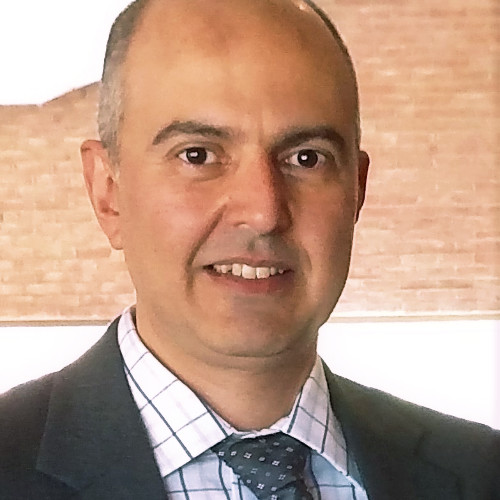
Responding to a popular request, we are now sharing transcripts of our investor podcast interviews in this new series. The following interview with Tony Olivito was recorded in May 2020.
Tony Olivito, Partner at Comeback Capital, discusses his firm’s Midwest-focused investment thesis.
>>>1Mby1M Virtual Accelerator Investor Forum: With Joshua Posamentier of Congruent Ventures (Part 4)
Sramana Mitra: Going a bit to your first example of investing in this robotics technology, one thing that I’m monitoring is we are probably going towards an accelerated pace of robotics adoption in factories.
We’ve just gone through a tremendous shock where factory workers can’t get to work. That creates tremendous supply chain disruption, so the people who own those factories are going to accelerate their moves to as much automation as possible and removing that risk of people not being able to come to work.
>>>