
categories
HOT TOPICS
- The Accelerator Conundrum
- The Startup Velocity Question
- Platform as a Service
- Man and Superman
- Web 3.0 = (4C + P + VS)
- The Future: End of Capitalism
- Capitalism 2.0

Entrepreneur Interviews
Serial Entrepreneurship in CAD: SolidWorks and Onshape Founder Jon Hirschtick (Part 1)

Jon has founded two important CAD companies and sold both for significant exit prices. Read on for his awesome entrepreneurial journey.
Sramana Mitra: Let’s start at the very beginning of your journey. Where are you from? Where were you born, raised, and in what kind of background?
>>>Buying Back a Business: ShareBuilder 401k CEO Stuart Robertson (Part 1)
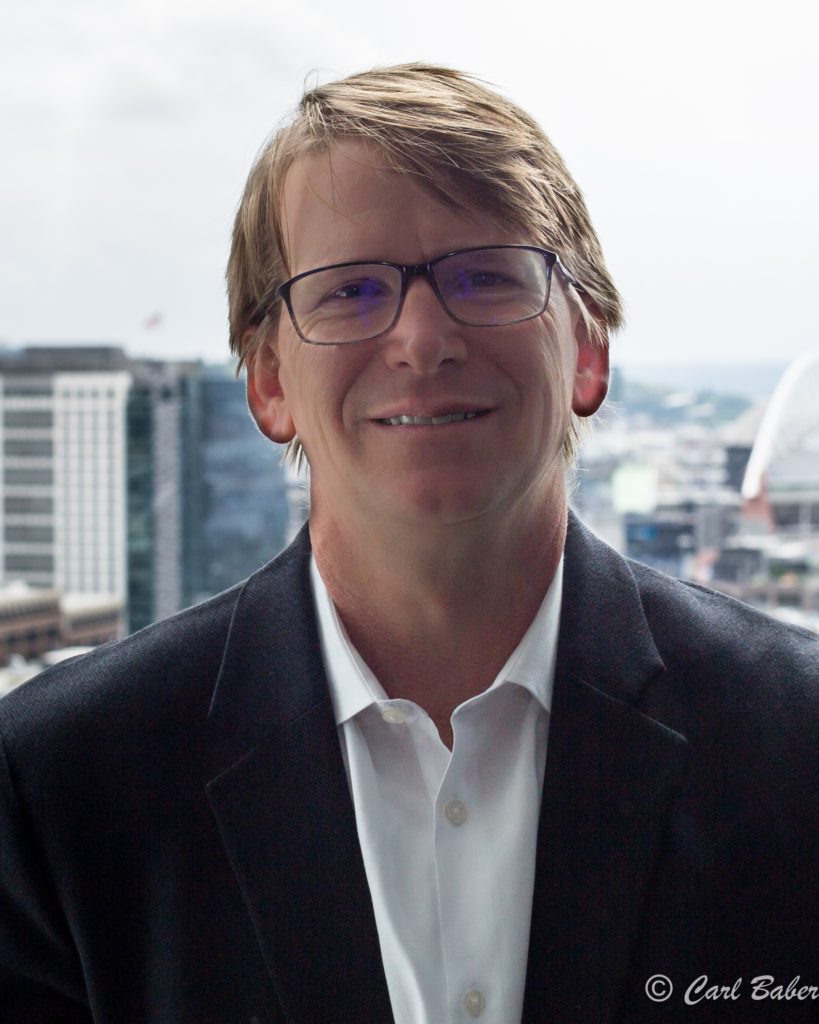
Stuart built Sharebuilder 401k. The company got acquired. Recently, he has bought the business back.
Read on to understand the nuances.
>>>Building a High Impact Social Enterprise over 20+ Years: Roberto Milk, CEO of NOVICA (Part 6)
Sramana Mitra: How did your numbers track of the money that you sent to artisans as you went along?
Roberto Milk: It took us 10 years to get to $25 million. It took us another four years to get to $50 million. We got to $50 million in June of 2014.
Sramana Mitra: What is that number at now?
Roberto Milk: We just passed $100 million.
>>>Building a High Impact Social Enterprise over 20+ Years: Roberto Milk, CEO of NOVICA (Part 5)
Sramana Mitra: When 9/11 hit, you were still operating with just that $6 million in funding?
Roberto Milk: We had funding from National Geographic as well.
Sramana Mitra: What was the cash portion of that?
Roberto Milk: We don’t disclose that. It was cash and assets.
>>>Building a High Impact Social Enterprise over 20+ Years: Roberto Milk, CEO of NOVICA (Part 4)
Sramana Mitra: This is before any venture capital. You’re still working with your $1.5 million angel round.
Roberto Milk: No. In April of 2000, we did our first venture capital round.
Sramana Mitra: How much did you raise?
>>>From eBay Seller to Software Entrepreneur: Seller Labs CEO Paul Johnson (Part 5)
Sramana Mitra: What was the trajectory of the revenue growth? How did you do year after year?
Paul Johnson: 2011 was when we first started doing this. In our first year, which was not a full year, we probably sold $50,000 worth of merchandise. Then in 2012, we were around half a million dollars.
By 2013, we were over a million. By 2014, we were starting to shut the business down. That was when the auction went online. It was time to move on. The next would be the software.
>>>Building a High Impact Social Enterprise over 20+ Years: Roberto Milk, CEO of NOVICA (Part 3)
Sramana Mitra: It was going to be an artisan marketplace, right?
Roberto Milk: That’s right. We were leaving these corporate positions for that.
Sramana Mitra: How did you get your first set of artisans to come on board and start selling on the site?
>>>From eBay Seller to Software Entrepreneur: Seller Labs CEO Paul Johnson (Part 4)
Paul Johnson: We built our own software to manage everything. We built a smaller version of Amazon’s software where we would bring in inventory, sticker it, and then shelve it. We built software that would list that stuff.
We had two divisions. One was books and the other was everything else. We sold about a million dollars a year on both sides of the business. The books were the ones that were more scalable and easier to do because every book has an ISBN. The physical merchandise was much harder.
>>>