
categories
HOT TOPICS
- The Accelerator Conundrum
- The Startup Velocity Question
- Platform as a Service
- Man and Superman
- Web 3.0 = (4C + P + VS)
- The Future: End of Capitalism
- Capitalism 2.0

Bootstrapping
Bootstrapping to Exit: Imagine Easy Solutions CEO Neal Taparia (Part 3)
Sramana Mitra: A couple of metrics before we go on to the post-Lehman story. What kind of revenues were you making in college? What kind of revenues were you making from the company while you were working at Lehman?
Neal Taparia: In college, we were probably making around $30,000 a year. It was nothing crazy. By the time we were at Lehman, the growth continued. We were lucky to see strong organic growth with the site even though we weren’t focused on it full-time at that point.
>>>Bootstrapping to $35 Million: BannerBuzz CEO Nishant Shah (Part 3)
Nishant Shah: In 2017, we were very aggressive in acquiring new customers. That’s when our marketing strategy changed a lot. From just one channel, now we have multiple channels. We came in with affiliates, email marketing, and display marketing. We had a much larger budget allocated to marketing versus almost nothing. That helped a lot.
Sramana Mitra: In terms of team, how do you run this company now?
>>>Bootstrapping to Exit: Imagine Easy Solutions CEO Neal Taparia (Part 2)
Sramana Mitra: If they came to your site, what would they do?
Neal Taparia: They would go there when they’re writing papers to start documenting their information. We had launched this site after putting it together over two months. Students would go there.
Say they were using Catcher in the Rye, all they would have to do is put in the title of the book or other bibliographic information. We would structure and cite it for them.
>>>Bootstrapping to $35 Million: BannerBuzz CEO Nishant Shah (Part 2)
Sramana Mitra: What was the insight in terms of customer acquisition for instance? What clicked?
Nishant Shah: When you’re growing the business and you’re bootstrapping it, it always depends on how much money you have. You want to spend more on marketing because you want to grow that way, but you have to have your infrastructure in place.
>>>Bootstrapping to Exit: Imagine Easy Solutions CEO Neal Taparia (Part 1)

If you haven’t already, please study our Bootstrapping Course and Investor Introductions page.
We’re big fans of bootstrapping to exit case studies. This is a wonderful one.
Sramana Mitra: Let’s start at the very beginning of your journey. Where are you from? Where were you born, raised, and in what kind of background?
>>>Bootstrapping to $35 Million: BannerBuzz CEO Nishant Shah (Part 1)
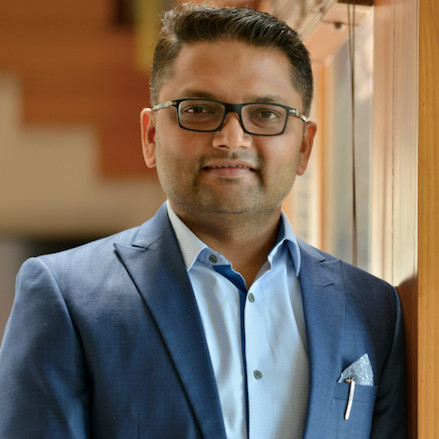
If you haven’t already, please study our Bootstrapping Course and Investor Introductions page.
In these unusual times, many who once dreamed of funding are forced to bootstrap. Well, bootstrapping is good during good times, and necessary during bad times.
Sramana Mitra: Let’s start at the very beginning of your journey. Where are you from? Where were you born, raised, and in what kind of background?
>>>Best of Bootstrapping: Bootstrapped Entrepreneurship from Estonia
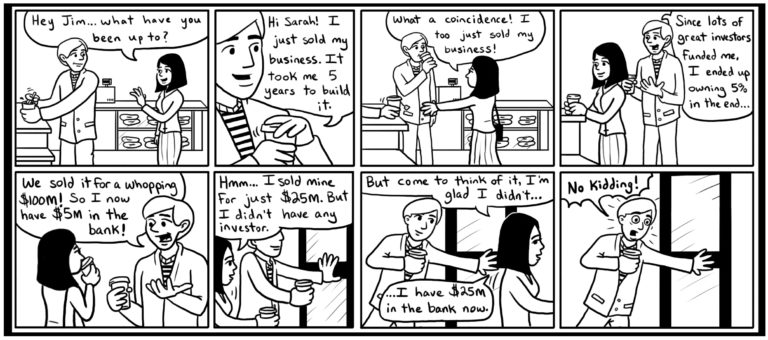
Messente CEO Lauri Kinkar takes us into a country that has done amazingly well in developing a technology and startup culture. Fascinating!
Sramana Mitra: Let’s start at the very beginning of your journey. Where are you from? Where were you born and raised? What is the background?
Lauri Kinkar: I grew up and am based in Estonia, which is a country with a population slightly more than a million. I’m from a small university town.
Sramana Mitra: So you’ve done your entrepreneur journey from and in Estonia?
Lauri Kinkar: Pretty much. As the companies that we’ve founded all had to do with technology, it’s a fairly international industry. We have clients all over the world.
Best of Bootstrapping: Waveform CEO Bootstraps to $8M
Waveform CEO Sina Khanifar started tinkering with bootstrapped entrepreneurship way back in college. It has certainly paid off.
Sramana Mitra: Let’s start at the very beginning of your journey. Where are you from? Where were you born, raised, and in what kind of background?
Sina Khanifar: I was born in Iran. We moved to the UK when I was one. My parents did their PhDs in the UK. After they returned to Iran, the war broke out. They thought the best choice would be to go back to the UK. They ended up not returning.
