
categories
HOT TOPICS
- The Accelerator Conundrum
- The Startup Velocity Question
- Platform as a Service
- Man and Superman
- Web 3.0 = (4C + P + VS)
- The Future: End of Capitalism
- Capitalism 2.0

1Mby1M
Belgium’s Startup Accelerator Ecosystem: Ghent Emphasizes AI & Digital Services
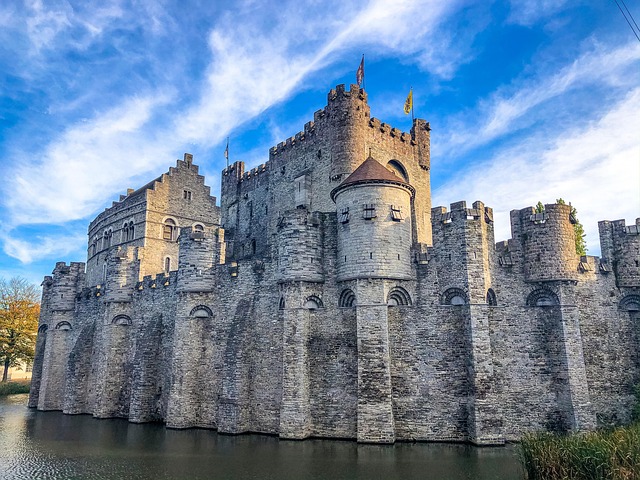
Ghent is one of Belgium’s most vibrant tech ecosystems, distinguished by a strong focus on AI, digital platforms, and IT-enabled services. The city benefits from a mix of academic research, innovation-driven accelerators, and a growing startup community. For IT founders, Ghent represents an ideal environment to validate products, access mentorship, and engage with early customers.
>>>Belgium’s Startup Accelerator Ecosystem: Antwerp Leads Port & Logistics IT Innovation
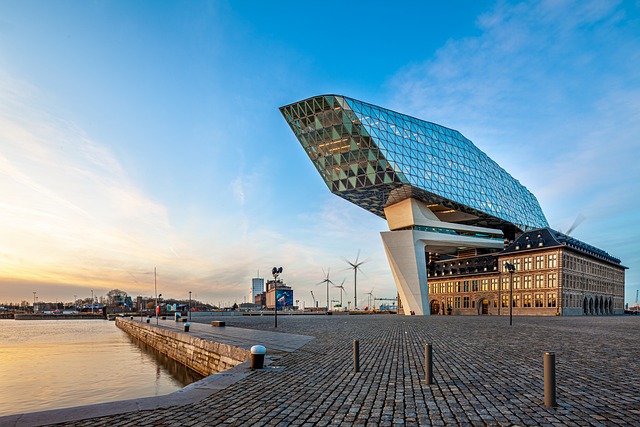
Antwerp is Belgium’s industrial and logistics hub, a city defined by its port — one of Europe’s largest — and its deep industrial networks. For IT and IT-enabled service startups, Antwerp offers unique opportunities, particularly in logistics tech, enterprise software, and B2B SaaS solutions. Founders who understand the industrial and commercial landscape can leverage local accelerators and corporate partnerships to gain early traction.
>>>Belgium’s Startup Accelerator Ecosystem: Brussels is the Corporate IT Hub

Brussels is Belgium’s political and corporate heartbeat, and for IT and IT-enabled services startups, it represents the densest concentration of accelerators, investors, and corporate innovation programs in the country. The city is home to both established accelerators and specialized corporate programs, offering founders access to mentorship, networking, and early-stage funding. However, these advantages come with constraints that many solo founders and bootstrapping founders overlook until they are deep in the program.
>>>Belgium’s Startup Accelerator Ecosystem: An Overview
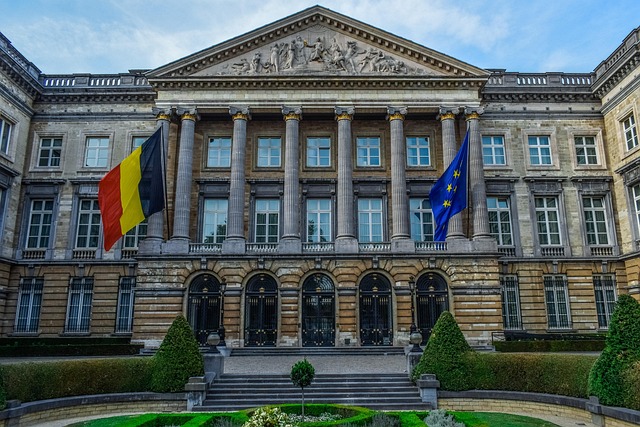
Belgium’s startup accelerator ecosystem is geographically diverse and highly sector-driven, with hubs in Brussels, Antwerp, Ghent, Leuven, Liège, and Charleroi. For IT and IT-enabled services startups — the core focus of 1Mby1M — Belgium presents both opportunity and challenge. These hubs provide accelerators, corporate partnerships, and specialized networks, but they also illustrate the persistent accelerator conundrum: founders are given access and visibility, yet often lack actionable guidance for building revenue-first, capital-efficient businesses.
>>>Nordic Accelerator Conundrum: Iceland’s Startup Accelerator Ecosystem
This article summarizes Iceland’s Startup Accelerator Ecosystem – its incubation and acceleration infrastructure, comparing 1Mby1M to what’s available and educating bootstrapped and solo founders in Iceland on how to work with Silicon Valley from day zero.

Iceland is a small country with a disproportionately innovative spirit. For solo founders, Reykjavík offers a close-knit entrepreneurial hub where technical skill, creativity, and a global outlook intersect. However, even in this supportive ecosystem, solo founders face the Accelerator Conundrum: the pressure to pursue early fundraising and rapid scaling instead of first validating ideas, winning customers, and building sustainable, revenue-generating businesses independently.
Nordic Accelerator Conundrum: Finland’s Startup Accelerator Ecosystem
This article summarizes Finland’s Startup Accelerator Ecosystem – its incubation and acceleration infrastructure, comparing 1Mby1M to what’s available and educating Finnish founders on how to work with Silicon Valley from day zero.

Finland has long stood out as one of Europe’s most advanced innovation ecosystems — a nation where technology, education, and design intersect elegantly. For solo founders in Helsinki and beyond, the country presents both opportunity and challenge. From Nokia’s legacy to the vibrant startup scene centered around Helsinki, Finland embodies the paradox at the heart of the Accelerator Conundrum: abundant innovation, world-class talent, and a heavy tilt toward venture-backed models that often undermine sustainable value creation.
>>>Nordic Accelerator Conundrum: Denmark’s Startup Accelerator Ecosystem
This article summarizes Denmark’s Startup Accelerator Ecosystem – its incubation and acceleration infrastructure, comparing 1Mby1M to what’s available and educating Danish founders on how to work with Silicon Valley from day zero.
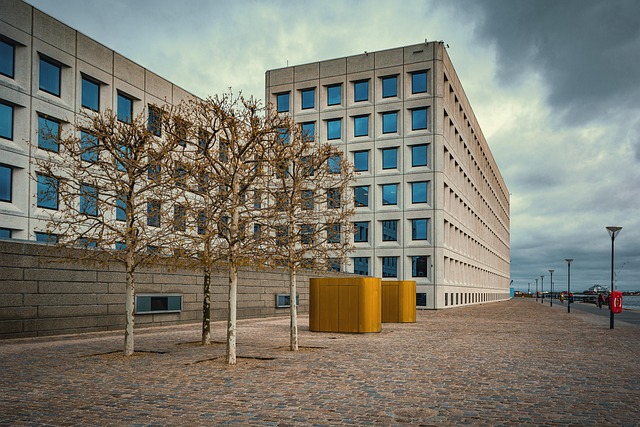
Denmark has quietly built one of the most sustainable and innovative startup ecosystems in Northern Europe. Copenhagen, Aarhus, and Odense serve as centers of entrepreneurship, blending strong technical talent, design thinking, and global ambition. Yet even here, the ecosystem wrestles with the Accelerator Conundrum: the assumption that raising venture capital early is synonymous with building a successful business.
>>>Nordic Accelerator Conundrum: Sweden’s Startup Accelerator Ecosystem
This article summarizes Sweden’s Startup Accelerator Ecosystem – its incubation and acceleration infrastructure, comparing 1Mby1M to what’s available and educating Swedish founders on how to work with Silicon Valley from day zero.

Sweden has long been a European innovation powerhouse. Stockholm, Gothenburg, and Malmö are home to a thriving startup scene, producing globally recognized companies like Spotify, Klarna, iZettle, and Mojang. Yet even in this mature startup ecosystem, the Accelerator Conundrum persists: the implicit assumption that raising capital quickly and scaling aggressively is the benchmark of success, rather than validating the fundamentals of building a sustainable business.
>>>