
categories
HOT TOPICS
- The Accelerator Conundrum
- The Startup Velocity Question
- Platform as a Service
- Man and Superman
- Web 3.0 = (4C + P + VS)
- The Future: End of Capitalism
- Capitalism 2.0

1Mby1M
Switzerland Startup Accelerator Ecosystem: Basel Focus on Enterprise IT & IT-Enabled Services

Basel, situated at the crossroads of Switzerland, Germany, and France, is internationally known for pharma, life sciences, and advanced manufacturing. For IT and IT-enabled service startups, Basel offers a strong enterprise IT environment with access to industrial and corporate networks. While biotech dominates, a growing number of IT-enabled service startups are emerging, particularly those focused on B2B SaaS, enterprise IT solutions, and digital process optimization.
>>>Switzerland Startup Accelerator Ecosystem: Lausanne Offers Tech & Digital Platforms

Lausanne, anchored by EPFL (École Polytechnique Fédérale de Lausanne) and its Innovation Park, is a hub for technology-driven IT and IT-enabled service startups. While the city is widely recognized for deep tech and research-driven innovation, it also fosters digital platforms, SaaS, and enterprise IT solutions. Startups benefit from access to prototyping facilities, technical mentorship, and potential enterprise pilot programs.
>>>Switzerland Startup Accelerator Ecosystem: Geneva Focuses on International IT & Services

Geneva, a city known for its international institutions, NGOs, and global corporations, has a growing ecosystem for IT and IT-enabled service startups. The city’s unique advantage lies in access to international clients, cross-border networks, and early adopters in enterprise and policy-driven sectors. Yet, Geneva also reflects the accelerator conundrum: solo founders gain mentorship and corporate connections, but face equity requirements, selective entry, and a small local network.
>>>Switzerland Startup Accelerator Ecosystem: Zurich Leads as Finance & IT Services Hub
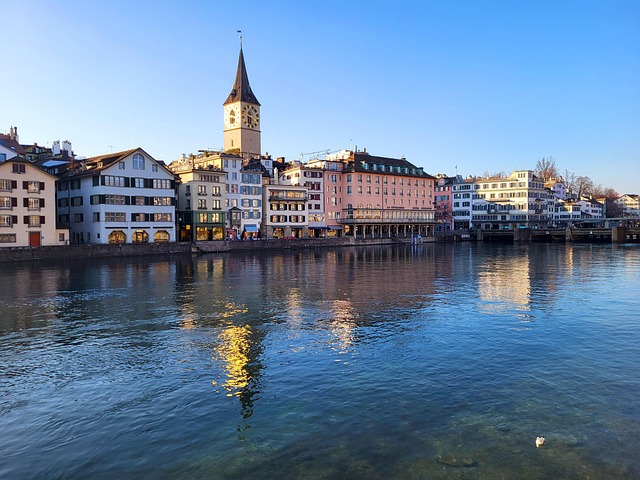
Zurich is Switzerland’s financial and IT services capital, attracting startups that intersect FinTech, B2B SaaS, and IT-enabled enterprise solutions. The city combines strong investor networks, access to early enterprise clients, and high-quality talent, making it an attractive hub for founders. Yet, Zurich also illustrates the accelerator conundrum: while programs provide mentorship and resources, solo founders often face equity requirements, high operating costs, and pressure to scale prematurely.
>>>Switzerland Startup Accelerator Ecosystem: An Overview

Switzerland is widely recognized for precision engineering, financial services, and biotech innovation, yet beneath these global strengths lies a growing ecosystem for IT and IT-enabled service startups. Key hubs include Zurich, Geneva, Lausanne, Basel, Bern, and Ticino, each offering accelerators, incubators, and networks that support founders seeking to validate and scale IT-driven businesses.
>>>Netherlands Startup Accelerator Ecosystem: The Conundrum
This article summarizes Netherlands Startup Accelerator Ecosystem, looks at the impact of AI layoffs and compares 1Mby1M to the top startup accelerators across key dimensions.

The Netherlands’ startup ecosystem, spanning Amsterdam, Rotterdam, Utrecht, Eindhoven, The Hague, and Groningen, illustrates the accelerator conundrum clearly: founders have access to mentorship, corporate networks, and resources, yet they often face equity requirements, geographic constraints, and pressure to scale prematurely. Even in hubs with strong IT and IT-enabled services support, these constraints can impede practical learning, bootstrapped growth, and sustainable revenue generation.
>>>Netherlands Startup Accelerator Ecosystem: The Hague Focuses on Government & Enterprise IT
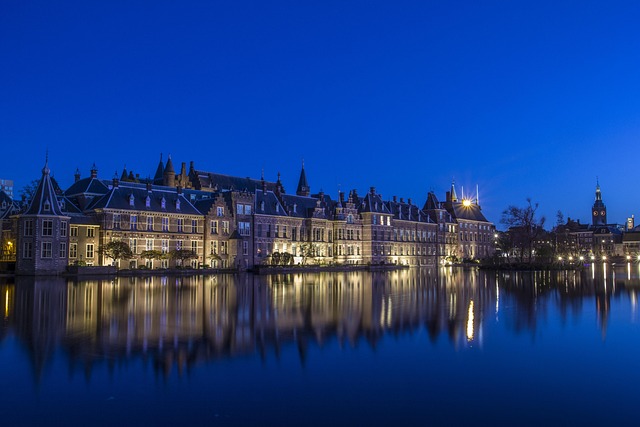
The Hague, internationally recognized as the seat of government and a hub for global institutions, is an emerging ecosystem for IT-enabled services startups, cybersecurity solutions, and enterprise IT platforms. Startups in this hub have access to unique opportunities: partnerships with government agencies, large enterprises, and policy-focused programs that can accelerate validation and early adoption of IT solutions.
>>>Netherlands Startup Accelerator Ecosystem: Eindhoven Focus on DeepTech & ITES
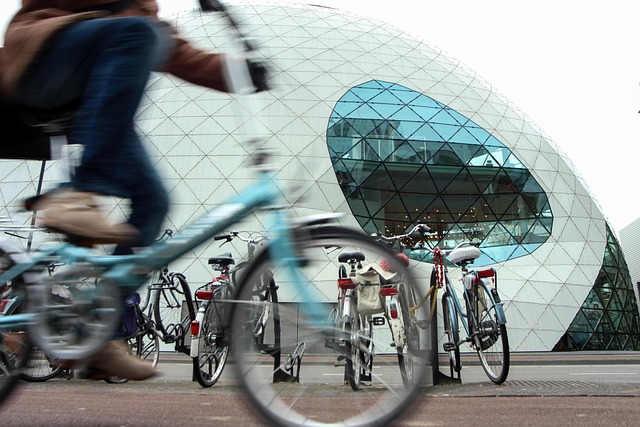
Eindhoven, home to the High Tech Campus, is the Netherlands’ hub for deep tech innovation, industrial IT, and IT-enabled services. The city attracts technically skilled founders and corporate partners, creating opportunities for IT startups that can bridge research-driven solutions with real-world enterprise applications. For IT and IT-enabled service startups, Eindhoven offers prototyping support, technical mentorship, and access to early adopters in the industrial and enterprise space.
>>>