
categories
HOT TOPICS
- The Accelerator Conundrum
- The Startup Velocity Question
- Platform as a Service
- Man and Superman
- Web 3.0 = (4C + P + VS)
- The Future: End of Capitalism
- Capitalism 2.0

1Mby1M
Florida Startup Accelerator Ecosystem: Miami – The Hype, the Reality, and the Path to Sustainable Entrepreneurship

Miami has spent the last few years basking in the glow of headlines calling it the next Silicon Valley. Venture capitalists fled San Francisco for sunny waterfronts. Tech founders tweeted from beachfront offices. The city became synonymous with the great post-pandemic migration of talent.
>>>Ohio Startup Accelerator Ecosystem: Smaller Hubs – Dayton, Akron, Toledo, and Youngstown

While Cleveland, Columbus, and Cincinnati dominate Ohio startup headlines, the smaller hubs—Dayton, Akron, Toledo, and Youngstown—offer unique opportunities for capital-efficient IT and IT-enabled services ventures. These cities exemplify the challenges of geographically dispersed ecosystems, including limited venture funding, smaller local markets, and the temptation for premature scaling. Yet, with the right approach, they can produce profitable, resilient startups aligned with 1Mby1M’s Bootstrap First, Raise Money Later philosophy.
>>>Ohio Startup Accelerator Ecosystem: Cincinnati’s Logistics and Enterprise Tech Hub

Cincinnati, located on the Ohio River and strategically positioned near major transportation corridors, has developed a unique entrepreneurial ecosystem centered on logistics, enterprise software, and IT-enabled services. While smaller than Columbus or Cleveland, Cincinnati demonstrates how regional hubs can foster capital-efficient startups by leveraging local industries and university resources, while navigating the classic Accelerator Conundrum—the tension between building sustainable businesses and pressure to scale rapidly.
>>>Ohio Startup Accelerator Ecosystem: Columbus as a Fast-Growing Tech Hub

Columbus, Ohio’s state capital, has emerged as a dynamic center for IT and IT-enabled services startups. With a rapidly expanding tech community, a strong university presence, and growing corporate engagement, Columbus exemplifies both the opportunity and challenge of regional startup ecosystems. While local resources are improving, solo founders must navigate the classic Accelerator Conundrum: scaling quickly without sufficient capital discipline or market validation can lead to founder burnout, operational strain, and premature scaling failures.
>>>Ohio Startup Accelerator Ecosystem: Cleveland’s Healthcare and Enterprise Tech Hub

Cleveland exemplifies the complexities of the Accelerator Conundrum in mid-sized US cities. With a strong legacy in healthcare and manufacturing, Cleveland has cultivated an entrepreneurial ecosystem anchored by Case Western Reserve University, the Cleveland Clinic, and a growing base of IT and software-enabled services startups. Yet the city faces the classic challenge: promising startups struggle to scale due to limited venture capital, regional market constraints, and pressure to chase hypergrowth prematurely.
>>>Ohio Startup Accelerator Ecosystem: Overview

Ohio represents a fascinating case study in the US entrepreneurial landscape. The state combines legacy industries, world-class universities, and emerging tech hubs with the structural challenges faced by startups outside major coastal ecosystems. Cities such as Cleveland, Columbus, Cincinnati, and smaller hubs like Dayton, Akron, Toledo, and Youngstown each have unique entrepreneurial dynamics. Yet solo founders across Ohio share a common challenge: limited venture capital and dispersed markets create the classic Accelerator Conundrum, where premature scaling pressures often exceed the actual market potential.
>>>The Conundrum in South Dakota Startup Accelerator Ecosystem

South Dakota, often overlooked in national startup discourse, presents a unique opportunity for disciplined, bootstrapped entrepreneurship. With a small population, limited venture capital, and a predominantly service- and agriculture-oriented economy, the state naturally encourages solo founders to focus on revenue, profitability, and sustainable growth — precisely the values at the core of the 1Mby1M Bootstrap First, Raise Money Later philosophy.
>>>Evolving Startup Accelerator Ecosystem in Wisconsin
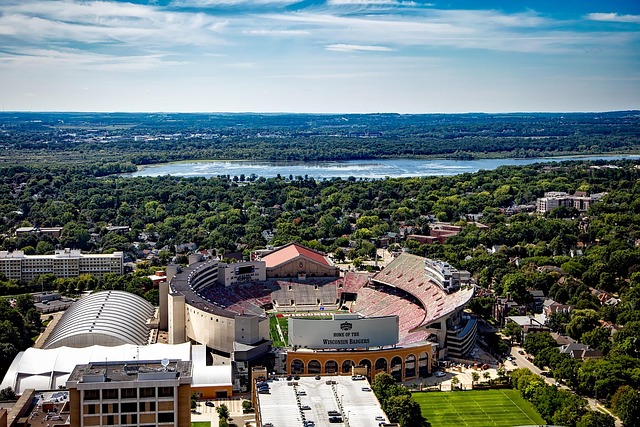
Wisconsin’s startup ecosystem is an intriguing study in contrasts — a state with deep manufacturing roots, strong universities, and a growing tech services sector, yet still developing consistent pathways for early-stage funding and scale. For solo founders building IT and IT-enabled services ventures, Wisconsin offers the fundamentals for bootstrapped, profitable entrepreneurship—if they can navigate its geographic and structural realities with discipline.
>>>