
categories
HOT TOPICS
- The Accelerator Conundrum
- The Startup Velocity Question
- Platform as a Service
- Man and Superman
- Web 3.0 = (4C + P + VS)
- The Future: End of Capitalism
- Capitalism 2.0

Nordic Accelerator Conundrum: Denmark’s Startup Accelerator Ecosystem
This article summarizes Denmark’s Startup Accelerator Ecosystem – its incubation and acceleration infrastructure, comparing 1Mby1M to what’s available and educating Danish founders on how to work with Silicon Valley from day zero.
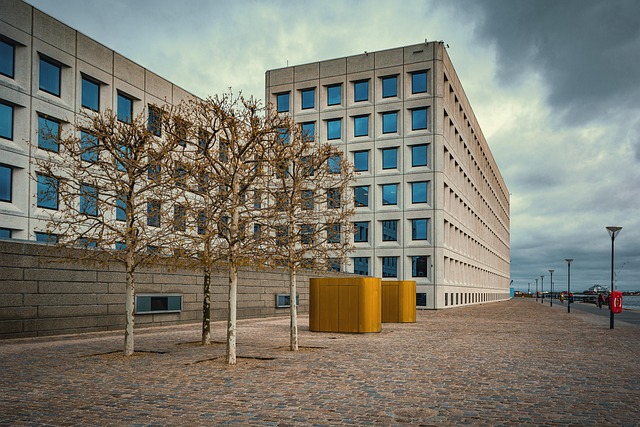
Denmark has quietly built one of the most sustainable and innovative startup ecosystems in Northern Europe. Copenhagen, Aarhus, and Odense serve as centers of entrepreneurship, blending strong technical talent, design thinking, and global ambition. Yet even here, the ecosystem wrestles with the Accelerator Conundrum: the assumption that raising venture capital early is synonymous with building a successful business.
>>>Featured Videos
Nordic Accelerator Conundrum: Sweden’s Startup Accelerator Ecosystem
This article summarizes Sweden’s Startup Accelerator Ecosystem – its incubation and acceleration infrastructure, comparing 1Mby1M to what’s available and educating Swedish founders on how to work with Silicon Valley from day zero.

Sweden has long been a European innovation powerhouse. Stockholm, Gothenburg, and Malmö are home to a thriving startup scene, producing globally recognized companies like Spotify, Klarna, iZettle, and Mojang. Yet even in this mature startup ecosystem, the Accelerator Conundrum persists: the implicit assumption that raising capital quickly and scaling aggressively is the benchmark of success, rather than validating the fundamentals of building a sustainable business.
>>>Nordic Accelerator Conundrum: Norway’s Startup Accelerator Ecosystem
This article summarizes Norway’s Startup Accelerator Ecosystem – its incubation and acceleration infrastructure, comparing 1Mby1M to what’s available and educating Norwegian founders on how to work with Silicon Valley from day zero.
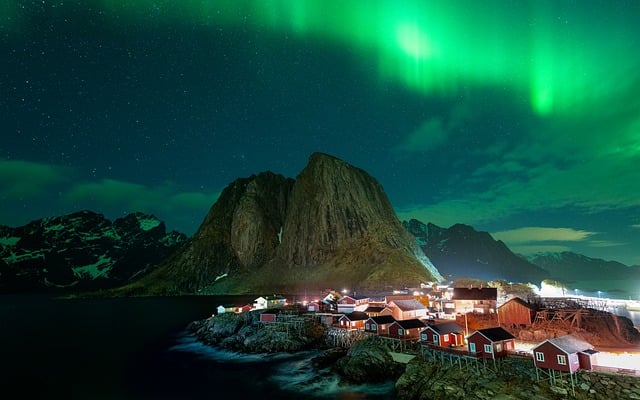
Norway has steadily developed a sophisticated startup ecosystem, anchored by cities like Oslo, Bergen, and Trondheim. With a high standard of living, strong technical talent, and a culture of innovation, Norwegian entrepreneurs are well-positioned to build global IT and IT-enabled services companies. Yet, even here, the Accelerator Conundrum persists: the mistaken belief that fundraising and rapid scaling are the ultimate markers of success, rather than foundational business validation and sustainable growth.
>>>Video FAQs
Can 1M/1M Help Me Raise Money?
How Does 1M/1M Democratize Entrepreneurship Education?
How Does 1M/1M Democratize Management Consulting?
When Is The Right Time To Join 1M/1M?
Can 1M/1M Help Me With Business Development?
Can 1M/1M Help Me With Market Sizing?
Can 1M/1M Help Me Validate My Product?
Will I Have Private 1-on-1 Sessions In 1M/1M?
How Does 1M/1M Help Entrepreneurs Connect With Silicon Valley?
Mentoring or Consulting?
Why Does 1M/1M Charge $1000 a Year?
Why Does 1M/1M Partner With Local Organizations?
Why Don\’t Mentoring Networks Work?
Why Is It Important To Study With 1M/1M Now?
Dan Stewart Story
Vikrant Mathur Story
France’s Startup Accelerator Ecosystem: The Conundrum
This article summarizes France’s Startup Accelerator Ecosystem, looks at the impact of AI layoffs and compares 1Mby1M to the top startup accelerators across key dimensions.

Having examined France’s major startup hubs — Paris, Lyon, Marseille, Toulouse, Bordeaux, and Brittany — a clear pattern emerges: while accelerators provide value, they also expose founders to structural constraints that can impede sustainable success. This is the essence of the accelerator conundrum.
>>>France’s Startup Accelerator Ecosystem: Brittany, an Emerging Hub for Tech, AgriTech
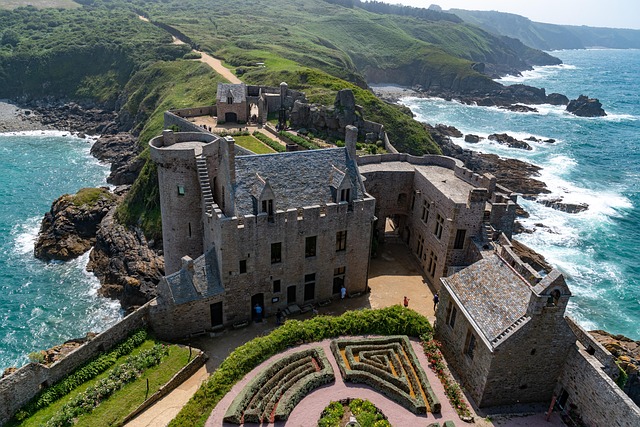
Brittany is one of France’s emerging startup regions, with a focus on tech, digital innovation, and agri-tech. While it does not yet have the density or visibility of Paris or Lyon, Brittany offers unique opportunities for founders who are solving real-world problems in agriculture, food technology, and digital services. Its ecosystem is growing, and several accelerators are helping shape a new wave of regionally anchored entrepreneurship.
>>>France’s Startup Accelerator Ecosystem: Bordeaux Focus on Digital, Creative Industries
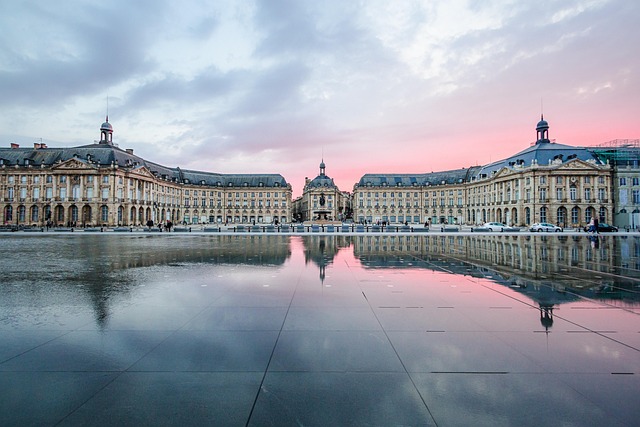
Bordeaux has quietly become a hub for digital, creative, and fintech startups. Unlike Paris, with its scale, or Toulouse, with its aerospace specialization, Bordeaux focuses on sectors where creativity, digital products, and finance intersect. It is a smaller ecosystem but growing in influence, particularly for startups that value design, UX, and market-driven innovation.
>>>France’s Startup Accelerator Ecosystem: Toulouse Focuses on Aerospace and Industrial Tech

Toulouse is France’s industrial powerhouse, and its startup ecosystem reflects this specialization. Known globally for aerospace innovation, Toulouse offers a focused environment for startups that intersect with aviation, aerospace, industrial technology, and advanced engineering. While the ecosystem is smaller than Paris or Lyon, it provides deep sector expertise and highly targeted mentorship.
>>>France’s Startup Accelerator Ecosystem: Marseille Emphasizes Sustainable Innovation

Marseille represents a different flavor of the French startup ecosystem. While Paris and Lyon are defined by scale and sector specialization, Marseille is emerging as a hub for sustainable innovation, digital services, and creative entrepreneurship. Its ecosystem is smaller, more intimate, and increasingly focused on connecting startups with corporate partners to solve real-world problems in sustainability, logistics, and urban services.
>>>