
categories
HOT TOPICS
- The Accelerator Conundrum
- The Startup Velocity Question
- Platform as a Service
- Man and Superman
- Web 3.0 = (4C + P + VS)
- The Future: End of Capitalism
- Capitalism 2.0

Netherlands Startup Accelerator Ecosystem: Rotterdam Focuses on Logistics & Enterprise IT

Rotterdam, the Netherlands’ largest port city, is a hub for logistics, industrial IT, and enterprise-focused digital services. The city’s startup ecosystem may be smaller than Amsterdam, but it offers unique opportunities for IT and IT-enabled service founders who can leverage industrial networks, early enterprise clients, and accelerator programs tailored to B2B solutions.
>>>Featured Videos
Netherlands Startup Accelerator Ecosystem: Amsterdam, the Hub
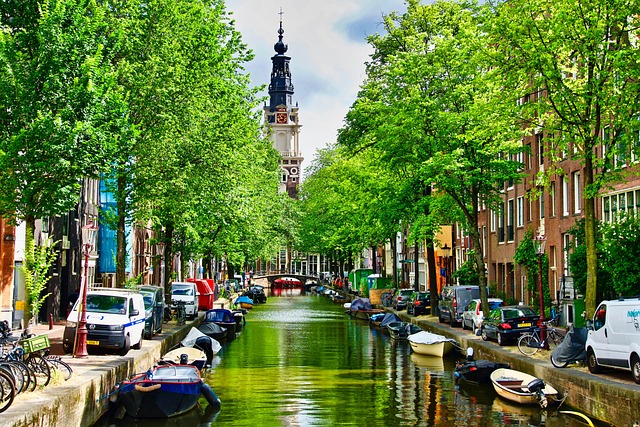
Amsterdam is the startup capital of the Netherlands, a city that combines global connectivity, mature infrastructure, and a concentration of accelerators and investors. For IT and IT-enabled services startups, Amsterdam offers unparalleled access to networks, mentorship, and early-stage customers. Yet, it also exemplifies the accelerator conundrum: founders gain visibility and resources, but traditional programs often impose equity stakes, physical presence, and rapid scaling pressures that can undermine revenue-first growth strategies.
>>>Netherlands Startup Accelerator Ecosystem: An Overview
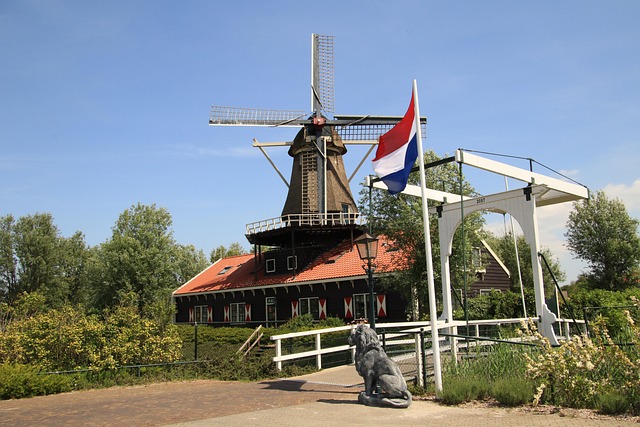
The Netherlands has emerged as one of Europe’s most dynamic startup ecosystems, offering a blend of mature infrastructure, global connectivity, and sector-specific expertise. Key hubs include Amsterdam, Rotterdam, Utrecht, Eindhoven, The Hague, and Groningen, each providing accelerators, incubators, and corporate networks that support IT and IT-enabled service startups. Yet despite this richness, the ecosystem illustrates the accelerator conundrum: founders gain access to resources, mentorship, and visibility, but often face constraints that hinder practical, revenue-first startup growth.
>>>Video FAQs
Can 1M/1M Help Me Raise Money?
How Does 1M/1M Democratize Entrepreneurship Education?
How Does 1M/1M Democratize Management Consulting?
When Is The Right Time To Join 1M/1M?
Can 1M/1M Help Me With Business Development?
Can 1M/1M Help Me With Market Sizing?
Can 1M/1M Help Me Validate My Product?
Will I Have Private 1-on-1 Sessions In 1M/1M?
How Does 1M/1M Help Entrepreneurs Connect With Silicon Valley?
Mentoring or Consulting?
Why Does 1M/1M Charge $1000 a Year?
Why Does 1M/1M Partner With Local Organizations?
Why Don\’t Mentoring Networks Work?
Why Is It Important To Study With 1M/1M Now?
Dan Stewart Story
Vikrant Mathur Story
1Mby1M Virtual Accelerator AI Investor Forum: Investor Gus Tai on VC Industry Size (Part 2)

Sramana Mitra: One interesting point is that the peak occurs in 2021, which was the height of COVID. This was not a traditional boom time, yet the venture industry peaked in 2021 and 2022, during the pandemic.
Gus Tai: I would also like to comment on the next slide, and then we can move into the broader discussion. This chart complements the prior one and also comes from PitchBook. It shows the amount of capital being raised by venture firms, which peaked in 2022.
>>>Belgium’s Startup Accelerator Ecosystem: The Conundrum

Belgium’s startup ecosystem, spanning Brussels, Antwerp, Ghent, Leuven, Liège, and Charleroi, is rich in opportunity but also illustrates the accelerator conundrum: founders have access to mentorship, corporate networks, and resources, yet are constrained by equity requirements, physical presence, selective entry, and pressure to scale rapidly. Even in hubs with strong IT and IT-enabled services support, these constraints can impede sustainable, revenue-first growth.
>>>Belgium’s Startup Accelerator Ecosystem: Charleroi is an Emerging IT Services Hub

Charleroi, traditionally an industrial city, is emerging as a hub for IT-enabled service startups and digital solutions. While smaller than Brussels or Ghent, Charleroi offers founders the opportunity to engage with niche accelerators, local enterprises, and early adopters, particularly in B2B software and SME-focused IT solutions.
>>>Belgium’s Startup Accelerator Ecosystem: Liège Focuses on Industrial & Smart IT Solutions

Liège represents a smaller but strategically important hub for IT and IT-enabled service startups in Belgium. Traditionally known for its industrial base, the city is evolving to support smart industrial solutions, B2B SaaS, and IT-enabled digital services. Founders in Liège have access to accelerators, local corporate networks, and niche investors, but the ecosystem is limited in scale compared with Brussels, Antwerp, or Ghent.
>>>Belgium’s Startup Accelerator Ecosystem: Leuven Offers Academic IT Spinouts & Deep Digital Tech
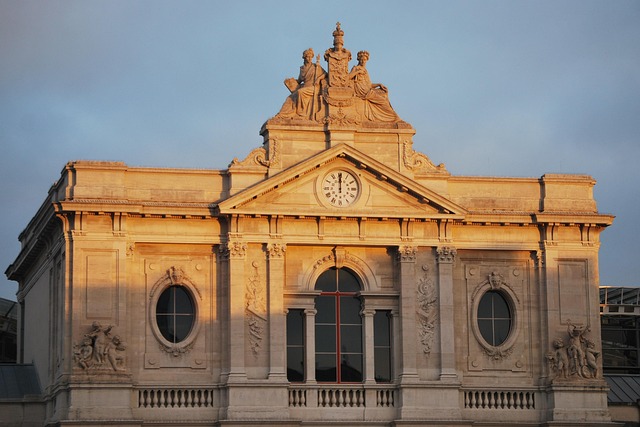
Leuven is synonymous with research-driven innovation, anchored by KU Leuven, one of Europe’s leading technical universities. For IT and IT-enabled services startups, Leuven offers access to talent, research labs, and specialized mentorship, particularly for founders emerging from academic or deep tech backgrounds.
>>>