
categories
HOT TOPICS
- The Accelerator Conundrum
- The Startup Velocity Question
- Platform as a Service
- Man and Superman
- Web 3.0 = (4C + P + VS)
- The Future: End of Capitalism
- Capitalism 2.0

Accelerator Conundrum in England’s Startup Accelerator Ecosystem
This article summarizes England’s Startup Accelerator Ecosystem, looks at the impact of AI layoffs and compares 1Mby1M to the top startup accelerators across key dimensions.

England has a mature and diverse startup ecosystem, with activity concentrated in London, Manchester, Cambridge, Bristol, and Birmingham. The country benefits from world-class universities, deep technical talent, and a strong culture of entrepreneurship. Yet the Accelerator Conundrum is present: founders are often encouraged to pursue rapid fundraising and ambitious scaling before validating their products, acquiring paying customers, and building sustainable operations. Many entrepreneurs face burnout and operational stress as they chase high growth benchmarks set by the venture ecosystem.
>>>Featured Videos
Baltic Accelerator Conundrum: Lithuania’s Startup Ecosystem

Lithuania has quietly become one of Europe’s most interesting entrepreneurial laboratories. Small, ambitious, and digitally savvy, it has managed to build an ecosystem that punches well above its weight — particularly in fintech, SaaS, and digital services. Yet, even here, amidst the country’s success stories, the Accelerator Conundrum is alive and well: the tendency to equate fundraising with progress, rather than seeing fundraising as one tool among many in building sustainable ventures.
>>>Baltic Accelerator Conundrum: Latvia’s Startup Ecosystem
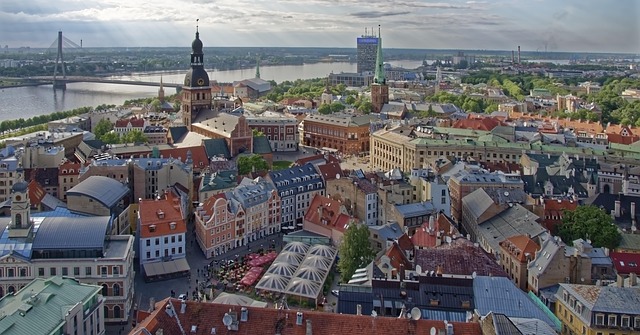
Latvia has come a long way since the early 2010s when its startup ecosystem was barely visible on the European map. Today, Riga, the country’s capital, is a lively node in the Northern European innovation corridor — small, efficient, globally oriented, and full of raw entrepreneurial energy. Yet, beneath the surface of this growing ecosystem lies a familiar challenge I have observed in dozens of markets around the world: the Accelerator Conundrum.
>>>Video FAQs
Can 1M/1M Help Me Raise Money?
How Does 1M/1M Democratize Entrepreneurship Education?
How Does 1M/1M Democratize Management Consulting?
When Is The Right Time To Join 1M/1M?
Can 1M/1M Help Me With Business Development?
Can 1M/1M Help Me With Market Sizing?
Can 1M/1M Help Me Validate My Product?
Will I Have Private 1-on-1 Sessions In 1M/1M?
How Does 1M/1M Help Entrepreneurs Connect With Silicon Valley?
Mentoring or Consulting?
Why Does 1M/1M Charge $1000 a Year?
Why Does 1M/1M Partner With Local Organizations?
Why Don\’t Mentoring Networks Work?
Why Is It Important To Study With 1M/1M Now?
Dan Stewart Story
Vikrant Mathur Story
Baltic Accelerator Conundrum: Estonia’s Startup Ecosystem

Estonia is the poster child of digital transformation. From e-governance to paperless bureaucracy, the country has built an identity as the “Digital Republic.” It consistently ranks among the most startup-friendly environments in Europe. Founders in Tallinn and Tartu have proven that a small country can build world-class technology companies — Skype, Wise, Bolt, Pipedrive, and Veriff are all powerful testaments to that spirit.
>>>Eastern Europe’s Accelerator Conundrum: Slovakia’s Startup Ecosystem
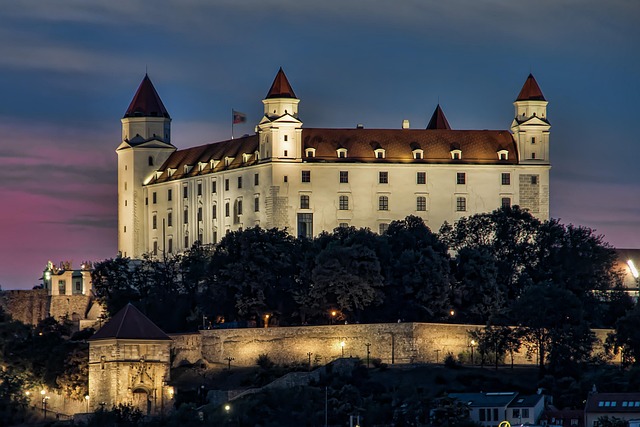
Slovakia’s startup ecosystem is emerging steadily, centered in Bratislava, with growing activity in Košice and Žilina. While smaller than neighboring Central European markets, Slovakia has a pool of highly skilled IT talent, producing promising IT and IT-enabled services ventures. Yet, the Accelerator Conundrum is evident: founders often focus on securing early funding rather than building a validated, revenue-generating business.
>>>Eastern Europe’s Accelerator Conundrum: Ukraine’s Startup Ecosystem

War ravaged Ukraine has emerged as one of Eastern Europe’s most dynamic technology hubs. Despite geopolitical challenges, its cities — Kyiv, Lviv, Kharkiv, and Dnipro — have produced world-class software engineering talent, thriving IT services firms, and a growing startup scene. Yet even here, the Accelerator Conundrum is evident: the pressure to raise funding early and scale quickly often eclipses the foundational work of validating a business and acquiring customers.
>>>Eastern Europe’s Accelerator Conundrum: Hungary’s Startup Ecosystem
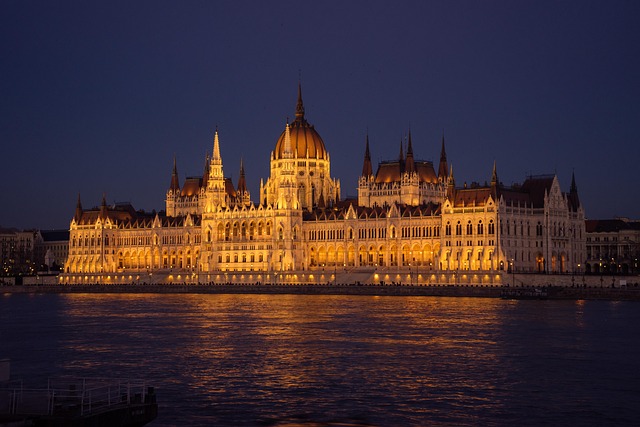
Hungary has built a rapidly growing technology and startup ecosystem, centered primarily in Budapest, with emerging activity in Debrecen and Szeged. Despite a smaller market compared with Western Europe, Hungary has produced globally recognized IT and IT-enabled services startups. Yet the Accelerator Conundrum persists: founders are often encouraged to prioritize fundraising and rapid scaling over validating ideas, acquiring customers, and building sustainable operations.
>>>Eastern Europe’s Accelerator Conundrum: Austria’s Startup Accelerator Ecosystem
This article summarizes Austria’s Startup Accelerator Ecosystem, looks at the impact of AI layoffs and compares 1Mby1M to the top startup accelerators across key dimensions.

Austria’s startup ecosystem is mature and vibrant, centered primarily in Vienna, with emerging hubs in Graz and Linz. While the country has a strong economy and highly skilled workforce, the Accelerator Conundrum is evident: founders often feel compelled to pursue early-stage funding and rapid scaling before validating their business fundamentals, which can lead to stress, dilution, and burnout.
>>>